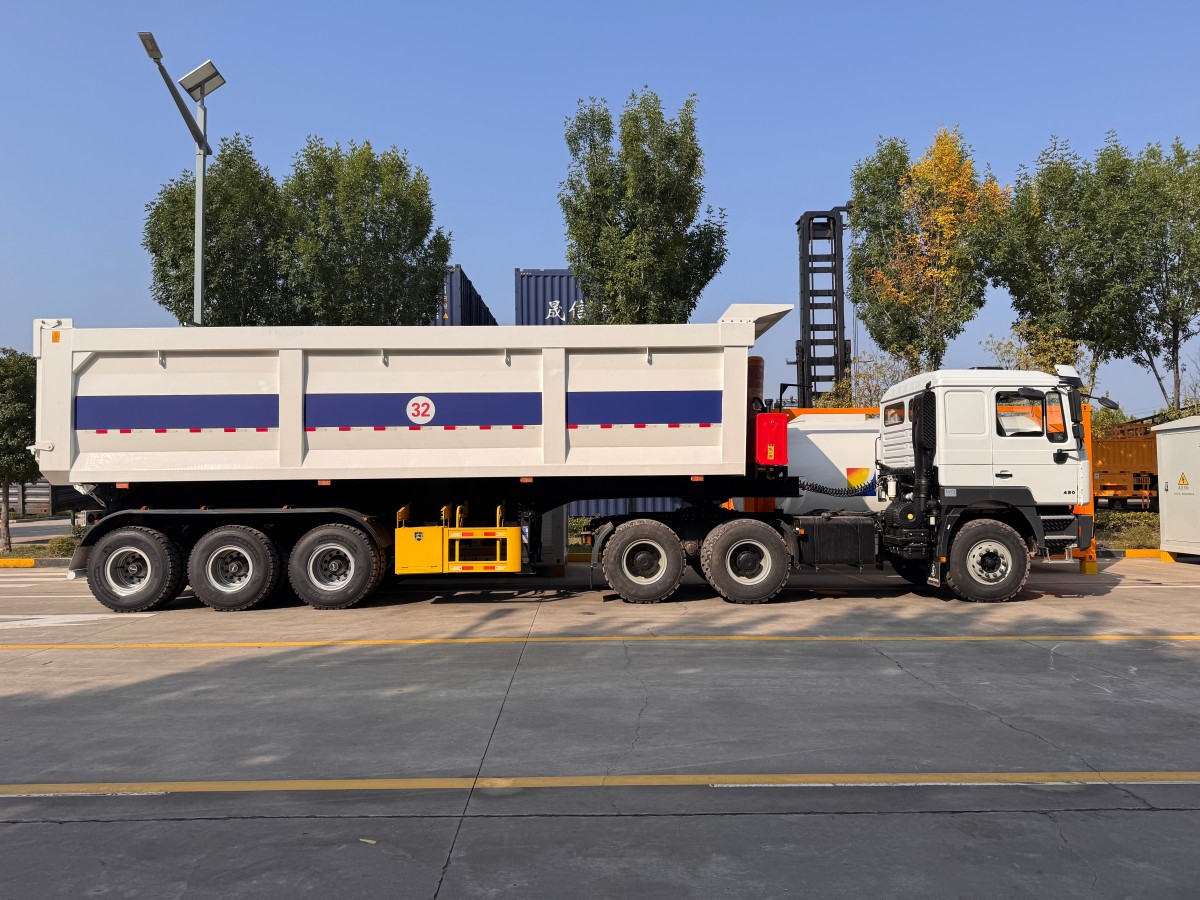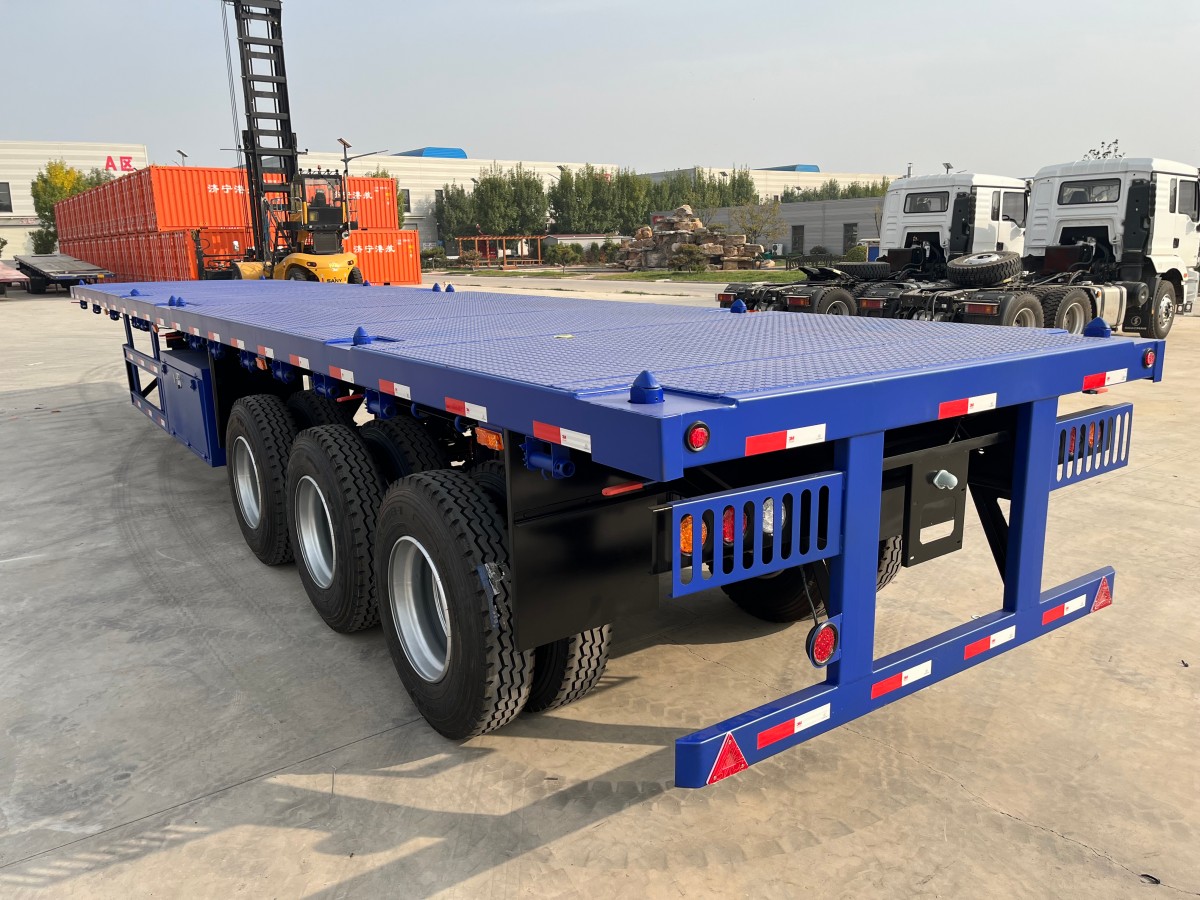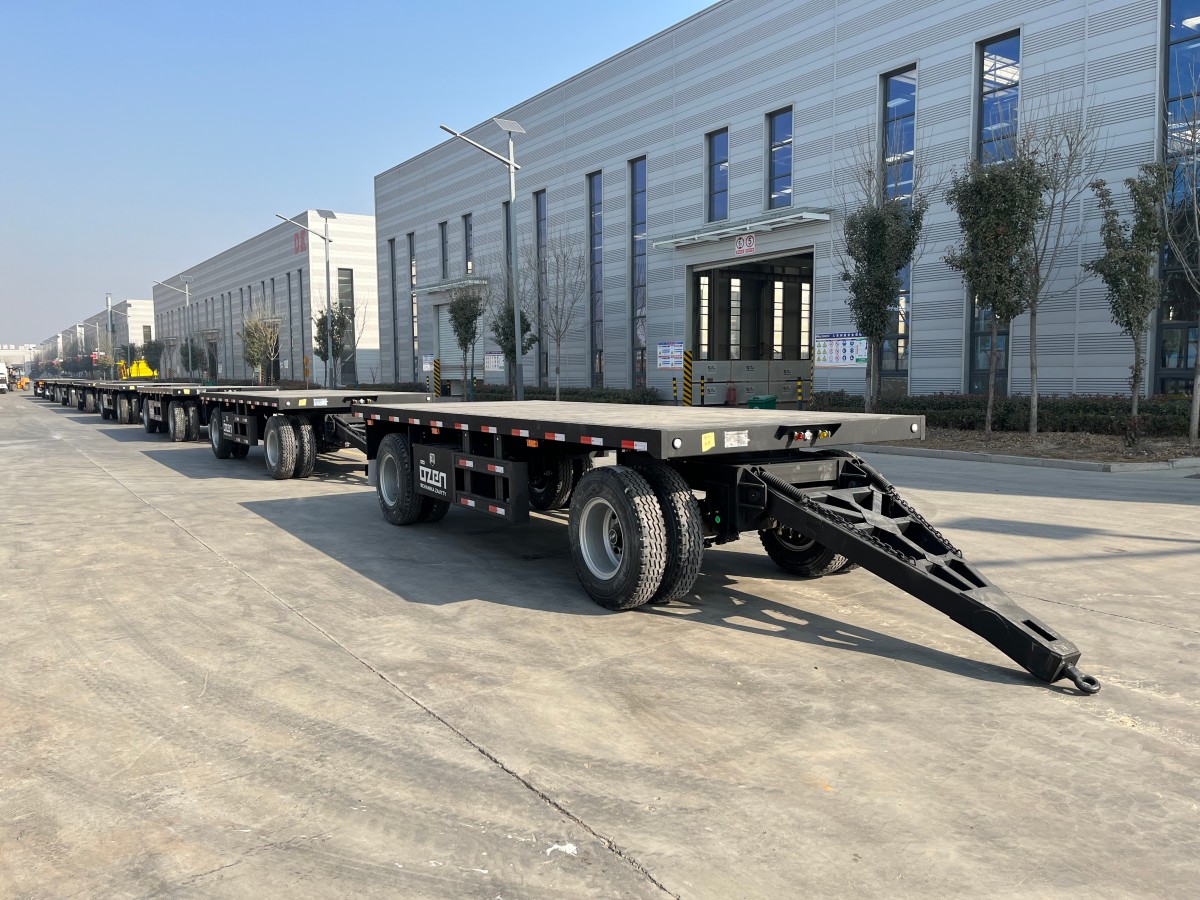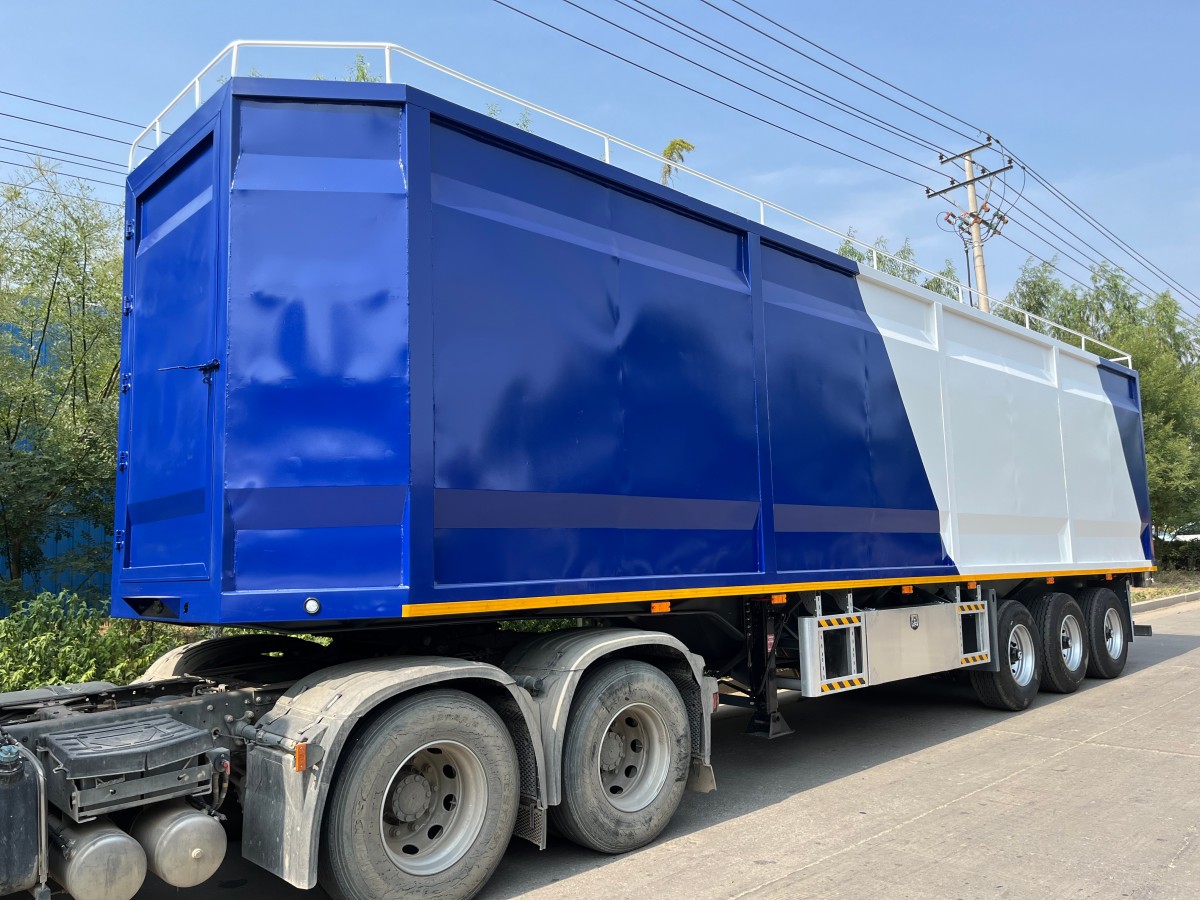

A container chassis trailer (also called a skeletal trailer or container chassis) is the most specialized type of semi trailer in container logistics fleets. Unlike general cargo trailers, a container chassis has no flat deck — only a steel frame with twist locks to secure an ISO sea container. This specialized design maximizes payload and minimizes tare weight, making it the most efficient way to move containers over the road.
This guide covers everything you need to choose the right container chassis for your port drayage, depot, or intermodal operation.
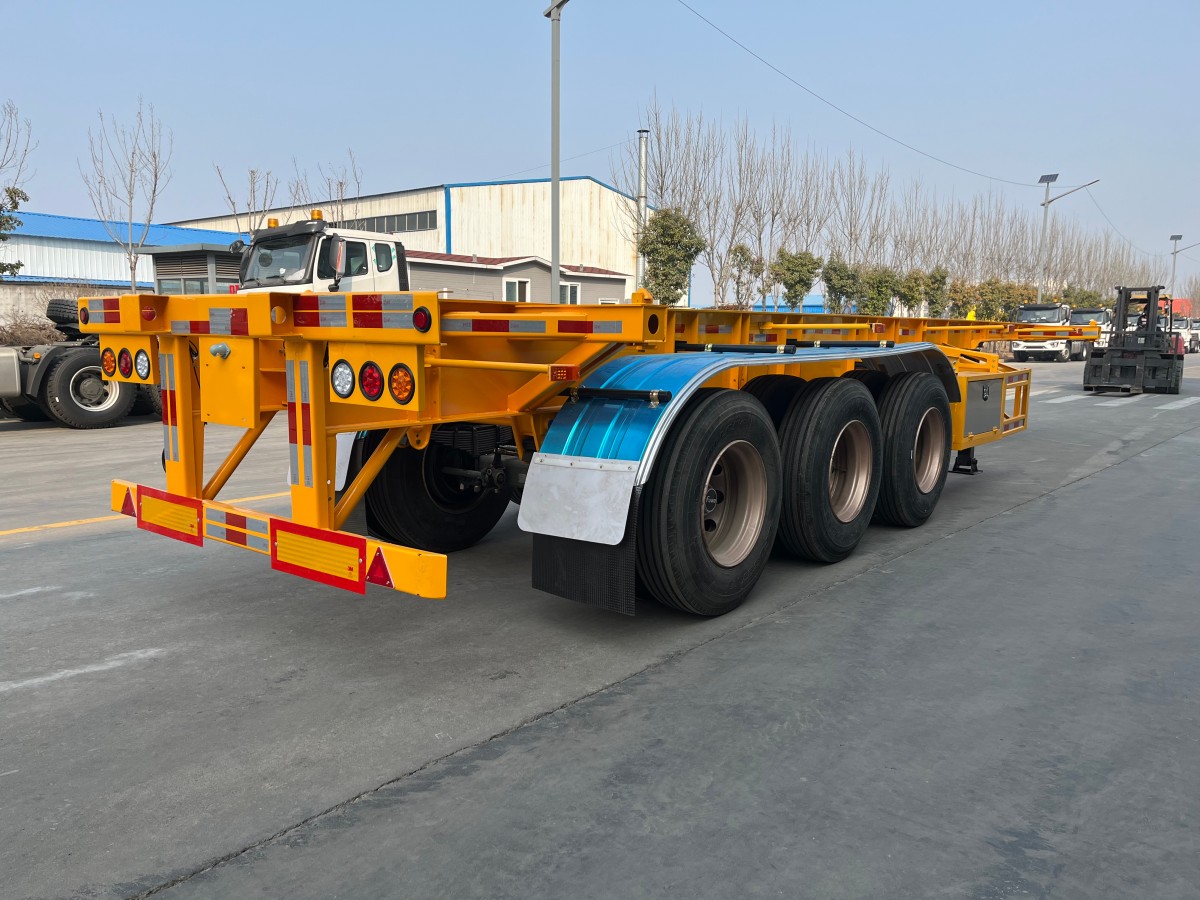
What is a Container Chassis Trailer?
A container chassis trailer consists of:
- A skeletal steel frame (no deck)
- Twist locks at the four corners (and middle for 40ft or 45ft configurations)
- A gooseneck or straight frame design
- Standard landing gear and king pin
The container itself forms the load-bearing surface during transport, which is why chassis trailers can be lighter and more payload-efficient than flatbed trailers.
Standard Chassis Configurations
| Configuration | Container Size | Twist Locks | Typical Use |
|---|---|---|---|
| 20ft single | 1 x 20ft ISO | 4 corner | Light port drayage, short-distance moves |
| 40ft single | 1 x 40ft or 1 x 45ft | 4 corner + 2 mid (for 40ft), or 4 mid (for 45ft) | Standard international container haulage |
| 20/40ft combo | 1 x 40ft OR 2 x 20ft | 8 total (4 corners + 4 mid) | Most versatile – the most common configuration |
| Combo with extendable rear | 20ft, 40ft, 45ft | Variable | Multi-size fleet operation |
| Tandem (two 20ft) | 2 x 20ft OR 1 x 40ft | 8 corner | Light cargo, empty container repositioning |
Axle Configurations for Chassis
Container chassis come in 2, 3, and 4-axle versions depending on payload requirements:
2-Axle Chassis
Light-duty chassis for 20ft container transport. Typical payload: 20-30 tons. Common in port drayage where containers are frequently repositioned empty or partially loaded.
3-Axle Chassis (Industry Standard)
Most common configuration for general port and intermodal operations. Handles one 40ft or two 20ft containers. Typical payload: 40-50 tons. Compatible with most national road regulations.
4-Axle Chassis (Heavy-Duty)
For overweight containers, military transport, or jurisdictions with strict axle-load regulations. Typical payload: 55-65 tons. Required in some markets for transporting loaded 40ft HC containers at full cargo weight.
Twist Lock Specifications
The twist lock is the critical component that secures the container to the chassis. Specifications to verify:
Twist Lock Type
- ISO standard twist lock – 4-corner twist locks conforming to ISO 1161 corner casting dimensions
- JOST or Holland brand – The two most respected global brands
- Domestic Chinese brand – Cheaper but with shorter service life
Operation
Twist locks can be:
- Manual – Operator uses a long handle to engage/disengage each twist lock
- Semi-automatic – One handle engages all corner locks
- Fully automatic – Push-button or remote control, premium feature for high-volume operations
Number of Twist Locks
- 20ft chassis: 4 corner locks minimum
- 40ft chassis: 4 corner + 2 middle locks (for 40ft container)
- 45ft chassis: 4 corner + 4 middle locks
- Combo chassis: 8-12 locks (corners + middles for both 20ft and 40ft)
FOB Price Ranges (2026 Reference)
Container chassis pricing is generally lower than flatbed trailers of the same axle count due to the simpler frame design:
| Configuration | Spec Level | FOB Price (USD) |
|---|---|---|
| 3-axle 40ft combo | Economy (Chinese twist locks) | $7,500 – $9,500 |
| 3-axle 40ft combo | Standard (BPW 13T axles, JOST twist locks) | $10,000 – $12,500 |
| 3-axle 40ft combo | Premium (BPW 16T, air suspension, Holland twist locks) | $12,500 – $16,000 |
| 4-axle 40ft combo | Standard | $13,000 – $16,500 |
| Extendable chassis | Standard | $14,000 – $18,000 |
Critical Specifications to Verify
Main Beam
- Steel grade: Q345B minimum, T700 for premium
- Height: 500mm for 3-axle, 550mm for 4-axle heavy-duty
- Thickness: Top 14mm, Bottom 16mm, Middle 8mm
Frame Structure
- Cross members: 10# channel steel, spaced 600-800mm
- Side beams: 16# channel steel (lighter than flatbed because no deck)
- Gooseneck: For 45ft chassis, integrated gooseneck extends the frame length
Axles and Suspension
- Axle brand: BPW or FUWA standard; SAF-Holland premium
- Suspension: Mechanical (standard) or air suspension (for high-speed highway)
- Brake: Dual-line air brake with WABCO relay valve mandatory
Special Considerations for Chassis Buyers
Operating Environment
Chassis operating in port environments face unique challenges:
- Salt spray corrosion – specify galvanized twist locks and increased anti-corrosion painting
- Frequent stop-and-go – specify reinforced brake system (T30/30 chambers minimum)
- Congestion maneuvering – shorter wheelbase preferred for tight turns
Container Compatibility
Verify the chassis matches the containers you transport:
- ISO standard 1161 corner castings: All major shipping lines use these
- Special containers: Reefer (with genset brackets), open-top (with removable top rails), tank container (with cradles) – specify when ordering
- High-cube (HC) containers: 9’6″ height – all standard chassis accommodate HC
Documentation Requirements
Chassis for international container haulage often need:
- CSC plate inspection compatibility (chassis doesn’t need CSC, but must accept containers with CSC plates)
- Customs seal mounting brackets (for cross-border container transport)
- License plate brackets at multiple positions (different countries have different requirements)
Common Pitfalls When Buying Container Chassis
- Wrong twist lock brand: Some Chinese twist locks don’t engage smoothly with all container brands. Specify JOST or Holland for compatibility.
- Insufficient cross member strength: Cheap chassis use thin-walled channel steel that flexes under load. Verify cross member dimensions.
- Missing license plate brackets: Different countries require front, rear, and sometimes side plate brackets. Specify all positions when ordering.
- Substandard landing gear: Chassis often sit at port depots for weeks. Landing gear must support the loaded weight long-term without settling.
- Poor paint quality: Salt corrosion destroys cheap paint in months. Specify marine-grade epoxy primer + polyurethane topcoat for port operations.
Conclusion
A container chassis is the workhorse of port and intermodal logistics. For most operations, a 3-axle 40ft combo chassis with BPW axles and JOST twist locks offers the best balance of payload, versatility, and operating cost. For specialized operations (reefer fleet, overweight containers, military), specify the appropriate variant.
For port and intermodal operators considering a Chinese chassis purchase, we recommend requesting:
- Photo of a chassis currently in service at a port
- Reference list of existing port customers
- Twist lock brand verification (JOST or Holland serial numbers)
- Third-party pre-shipment inspection by SGS or BV
Need help selecting the right container chassis for your port or intermodal operation? Contact our export team with your container throughput, typical cargo types, and destination port – we’ll recommend the optimal configuration.
See Related Products
Related Articles
Related Products
Need a Quotation? Contact Our Export Team
Browse our full catalog, search for specific models, or send us your requirements. Our sales engineers respond within 12 hours.
Phone: +86 15376192345 | Email: info@shuyue-trailer.com