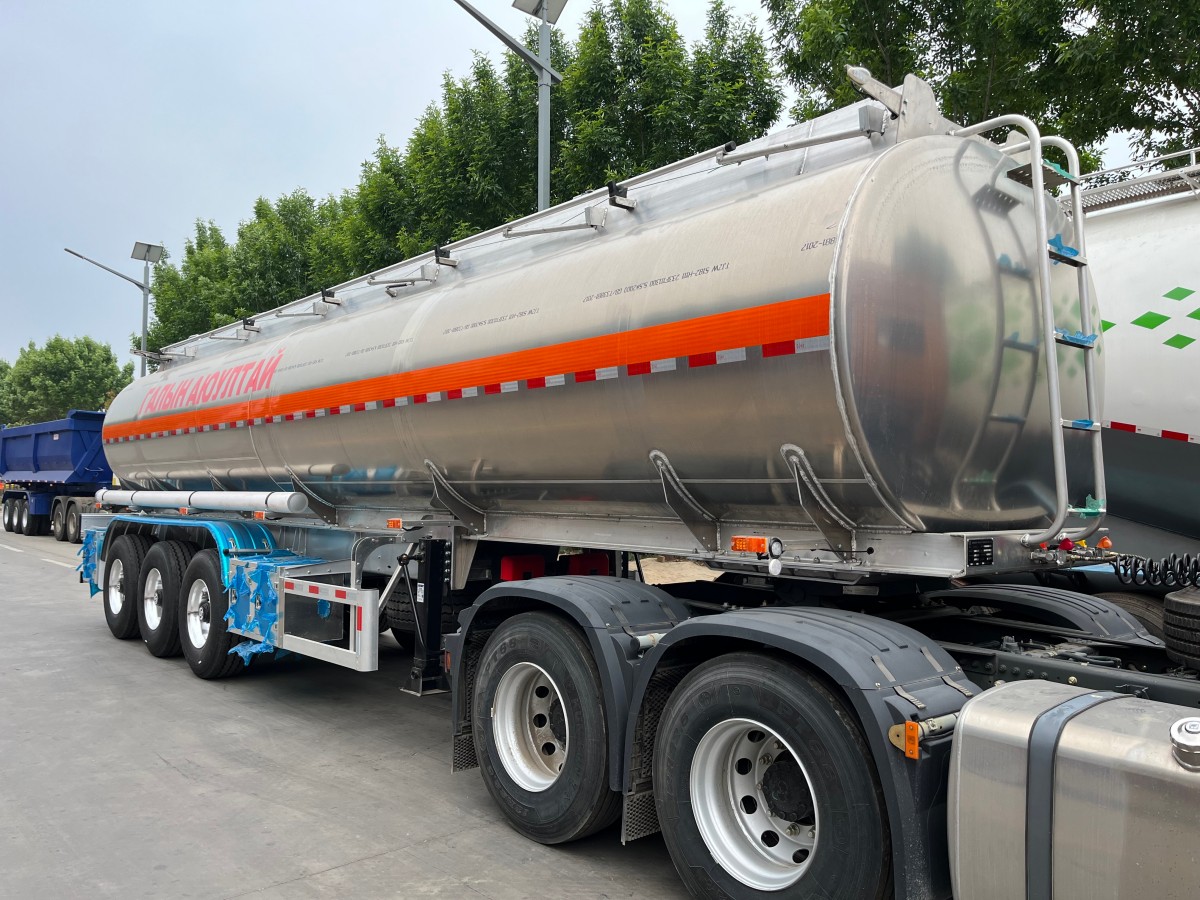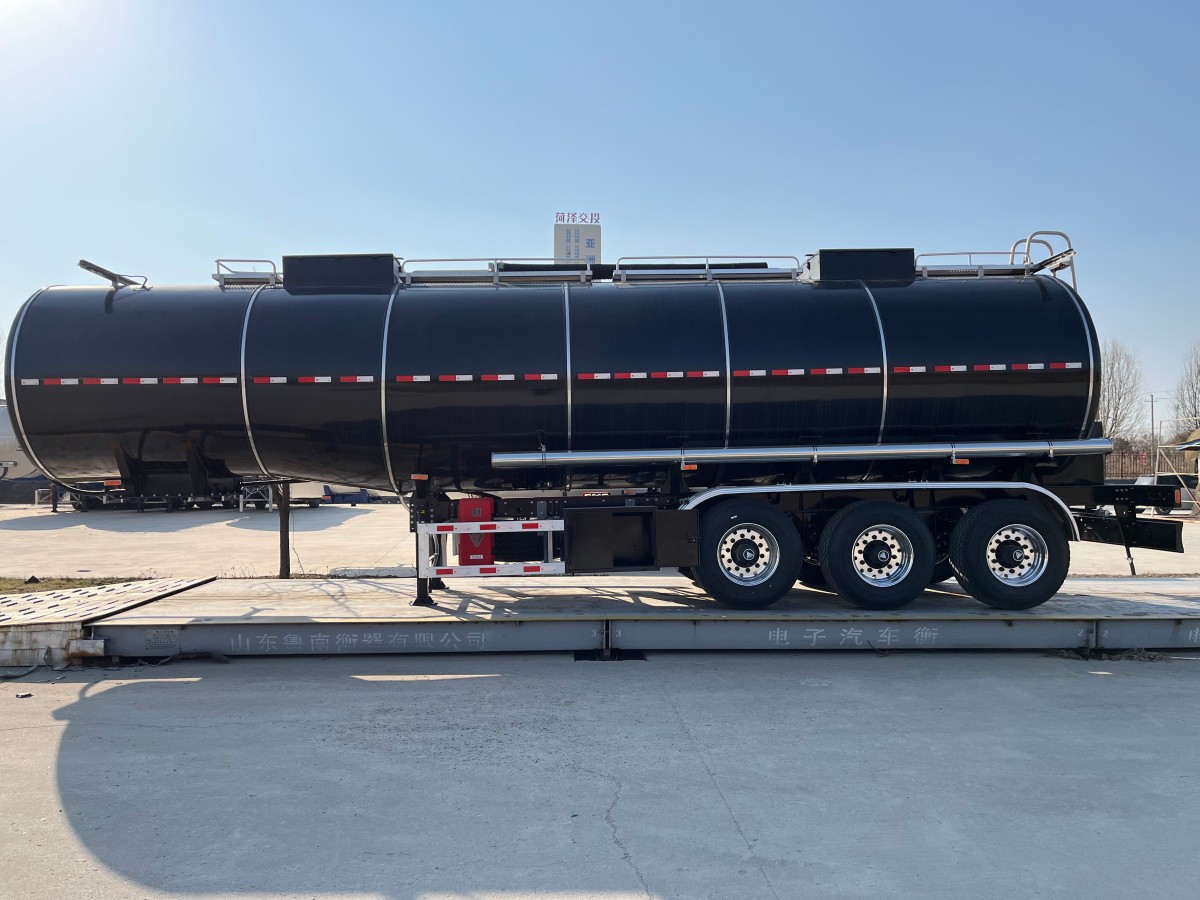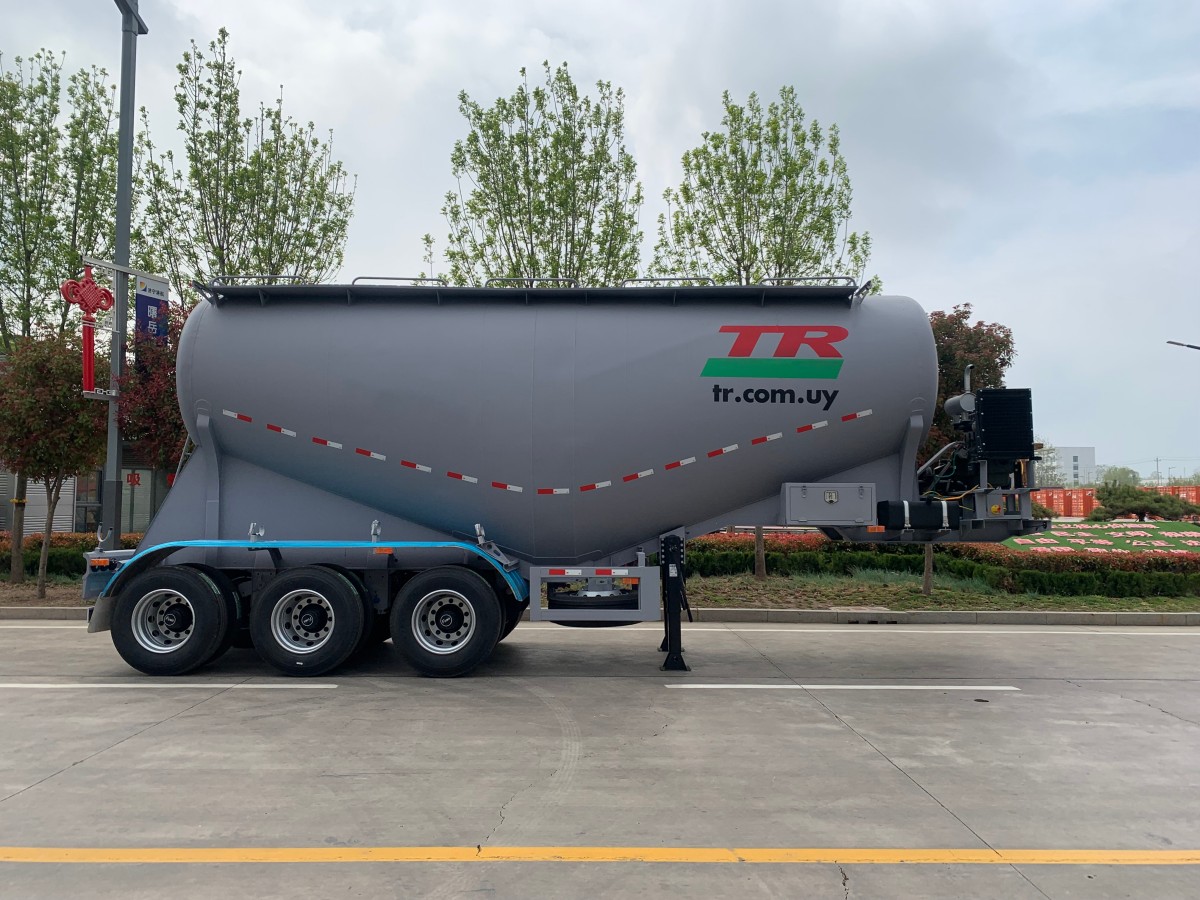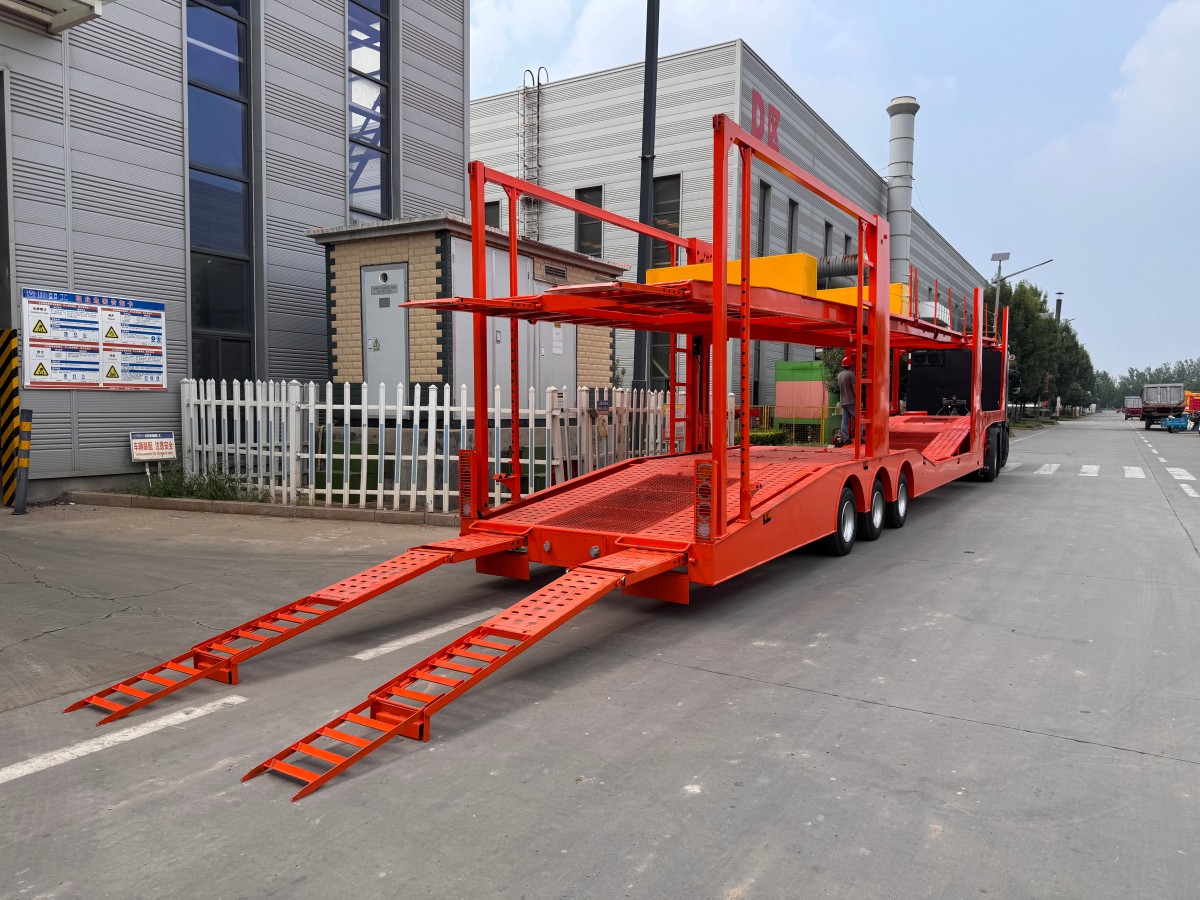
Importing a semi trailer from China can save 20-40% compared to European or American equivalents – but it also introduces risk. Every year, first-time importers lose tens of thousands of dollars to trading companies posing as manufacturers, spec mismatches between quotation and delivery, and quality issues that surface only after the trailer arrives at destination port.
This 7-point checklist distills what experienced fleet operators and import agents have learned (sometimes the hard way) about identifying reliable Chinese trailer manufacturers – and avoiding the ones who aren’t.
1. Verify Factory Credentials and Business License
The first step is to confirm that the company you’re talking to is an actual manufacturing entity, not a trading company that re-sells other factories’ products.
What to request:
- Business License (ying ye zhi zhao) – Chinese companies are required to have one. Verify the registered business scope (jing ying fan wei) includes “vehicle manufacturing” (che liang zhi zao), not just “vehicle sales” or “trade.”
- Unified Social Credit Code – 18-digit code that allows you to verify the company on the National Enterprise Credit Information Publicity System
- Factory address and photos – Real manufacturers will share both without hesitation. Verify the address on Google Maps / Baidu Maps.
Red flags:
- “Factory” address turns out to be a residential apartment or small office
- Business license scope only mentions “sales” or “import/export”
- Refusal to provide photos of the actual production line
- Recent registration date (less than 2 years) for a company claiming 20+ years of experience
2. Check Buyer Reviews on Independent Platforms
Don’t rely on testimonials featured on the manufacturer’s own website. Check independent third-party review platforms:
- Alibaba.com: Look for “Verified Supplier” status and read buyer reviews (especially negative ones)
- Made-in-China.com: Gold Supplier status and transaction history
- Google Reviews: Search “[company name] + reviews” – look for reviews from international buyers
- LinkedIn: Verify the company page exists and has legitimate employee profiles
What to look for:
- Multiple verified buyer reviews with specific project details
- Reviews from buyers in your country or region
- Sales volume disclosed on the platform (e.g., Alibaba “transactions” data)
- Year-over-year presence on the platform (sudden account creation is suspicious)
Red flags:
- All reviews are 5-star with vague content like “good supplier, fast delivery”
- Reviews posted in batches within a short time period (review manipulation)
- No reviews from international buyers despite claiming global exports
3. Request Production Videos of YOUR Specific Order
Real manufacturers welcome this. They will:
- Send photos/videos of raw materials (steel plate, axles) when received
- Share welding process videos of similar or your exact trailer
- Update you with weekly progress photos during production
- Allow you to specify a name or logo to be welded onto the frame for traceability
Best practice request:
Ask for a 15-30 second continuous video showing the production of YOUR order, taken within the last 7 days. The video should show:
- The frame with your specified chassis number / serial plate
- The factory floor with multiple similar trailers being produced (proving real production capacity)
- The company name / logo visible on workers’ uniforms or factory signage
Red flags:
- “Stock photos” or videos that look professional but don’t show your specific serial number
- Refusal to provide recent production videos
- Always the same 3-4 photos shown regardless of which product you’re asking about
4. Confirm Material and Component Brands in Writing
Spec sheet quality matters less than traceability of critical components. For each major component, request:
| Component | Acceptable Brands | Red Flag |
|---|---|---|
| Main beam steel | Q345B mill certificate (Baosteel, Shougang, Anshan) | “Domestic steel” with no mill certificate |
| Axles | BPW (Germany), FUWA (China) | “OEM brand” or “top-quality Chinese axle” |
| Tires | Triangle, Linglong, DoubleCoin (entry); Hankook, Kumho (mid); Michelin, Bridgestone (premium) | “Brand new tires” without brand name |
| Brake system | WABCO relay valve, T30/30 brake chambers | “European standard brake” with no brand |
| King pin | JOST (Germany) | “Top brand king pin” |
| Landing gear | JOST, FUWA, or Holland | No brand specified |
Ask the seller to include the brand and model of each component in the formal quotation (PI – Proforma Invoice). A quotation that specifies “FUWA 13T axle, BPW axle optional with $300 surcharge” is the kind of clarity you want.
5. Use Pre-Shipment Inspection (PSI) by a Third Party
Pre-shipment inspection is the single most effective protection against spec mismatches and quality issues. The two most recognized global inspection agencies are:
- SGS (Switzerland, global leader)
- BV (Bureau Veritas) (France, second largest)
- TUV (Germany, strong in EU)
For buyers in Africa and Southeast Asia, locally based inspectors can be more cost-effective:
- Intertek (global, with offices in most emerging markets)
- CCIC (China Certification & Inspection Group)
- Local Chinese inspection companies (verify credentials before engaging)
Typical inspection cost:
- 1-day trailer inspection: $300-500 USD
- Travel + accommodation: $500-1,000 USD (if inspector travels to factory)
- Total: $800-1,500 USD per shipment
What a good inspection covers:
- Weld quality (visual + dye penetrant test on critical seams)
- Steel thickness verification (ultrasonic thickness gauge on tank shells)
- Axle brand verification (serial numbers checked against manufacturer database)
- Painting quality and thickness
- Brake system function test
- Electrical system continuity
- Hydraulic system pressure test (for dump, tipper, mixer trailers)
- Photographic documentation of any defects
Key rule:
Always require that the seller covers the cost of any rework needed to address inspection findings, and that the inspection report is delivered to you BEFORE the trailer is loaded onto the vessel. If the seller refuses third-party inspection, walk away – it’s one of the strongest red flags.
6. Verify Payment Terms and Use Safe Methods
Standard payment terms for first orders:
- 30% T/T deposit + 70% balance against B/L copy
- L/C at sight (for larger orders, $50,000+)
Acceptable for repeat customers:
- 20% deposit / 80% balance
- 10% deposit / 90% balance (after established trust)
Red flags:
- Demand for 100% upfront payment (especially from new suppliers)
- Pressure to pay via Western Union, MoneyGram, or cryptocurrency
- Bank account in a country different from the seller’s registered address
- Refusal to provide company bank account details in writing on company letterhead
- Bank account name doesn’t match the company name on the business license
Verify the bank account:
- Cross-check the beneficiary name against the business license
- Confirm via SWIFT/BIC code that the bank is real
- For larger orders, ask your bank to do a compliance check on the beneficiary
7. Check Export Documentation Completeness
Before shipment, ensure the seller will provide:
- Commercial Invoice with full specifications, HS code, country of origin
- Packing List with dimensions, weights, package count
- Bill of Lading (original or telex release as agreed)
- Certificate of Origin (issued by CCPIT or local Chamber of Commerce)
- Welding Quality Certificate (for main beam)
- Axle Certificates (BPW/FUWA for warranty claims)
- Painting Process Certificate (for anti-corrosion warranty)
- Pre-Shipment Inspection Report
- Engineer’s Sign-off and Stamp on QC checklist
- Warranty Certificate (12 months on structural components)
Verify that the description on the Commercial Invoice matches your actual order specifications – this is the document customs will use to assess duties and the document you can use to claim warranty.
Bonus: 5 Red Flags That Should Make You Walk Away
- Price significantly below market average. If the quote is more than 20% below what 3 other comparable suppliers quote, the seller is cutting corners somewhere (steel thickness, axle brand, tire brand, painting quality). Quality trailer manufacturing has a floor below which it cannot go.
- Reluctance to provide production videos or factory photos. Real manufacturers have nothing to hide.
- Pressure to skip third-party inspection. “We’ve been in business for 20 years and never had issues” is not a substitute for an actual inspection report.
- No mention of warranty terms in writing. Verbal promises of “5-year warranty” without documentation are worthless.
- All communication through personal WhatsApp / WeChat without official email trail. Use email for all formal communications – it creates a paper trail for dispute resolution.
Conclusion
Importing a semi trailer from China can deliver exceptional value when you work with a verified manufacturer. The 7-point checklist above covers the most important verification steps, but the underlying principle is simple: ask for evidence, not promises. Real manufacturers welcome documentation requests, third-party inspections, and detailed specification verification – because they have nothing to hide.
If you’re evaluating Chinese trailer manufacturers and want a second opinion on a quotation, send us the spec sheet and we’ll review it for spec consistency, brand appropriateness, and pricing reasonableness. Free consultation, no obligation.
See Related Products
Need a Quotation? Contact Our Export Team
Browse our full catalog, search for specific models, or send us your requirements. Our sales engineers respond within 12 hours.
Phone: +86 13113678017 | Email: postmaster@trailerintl.com