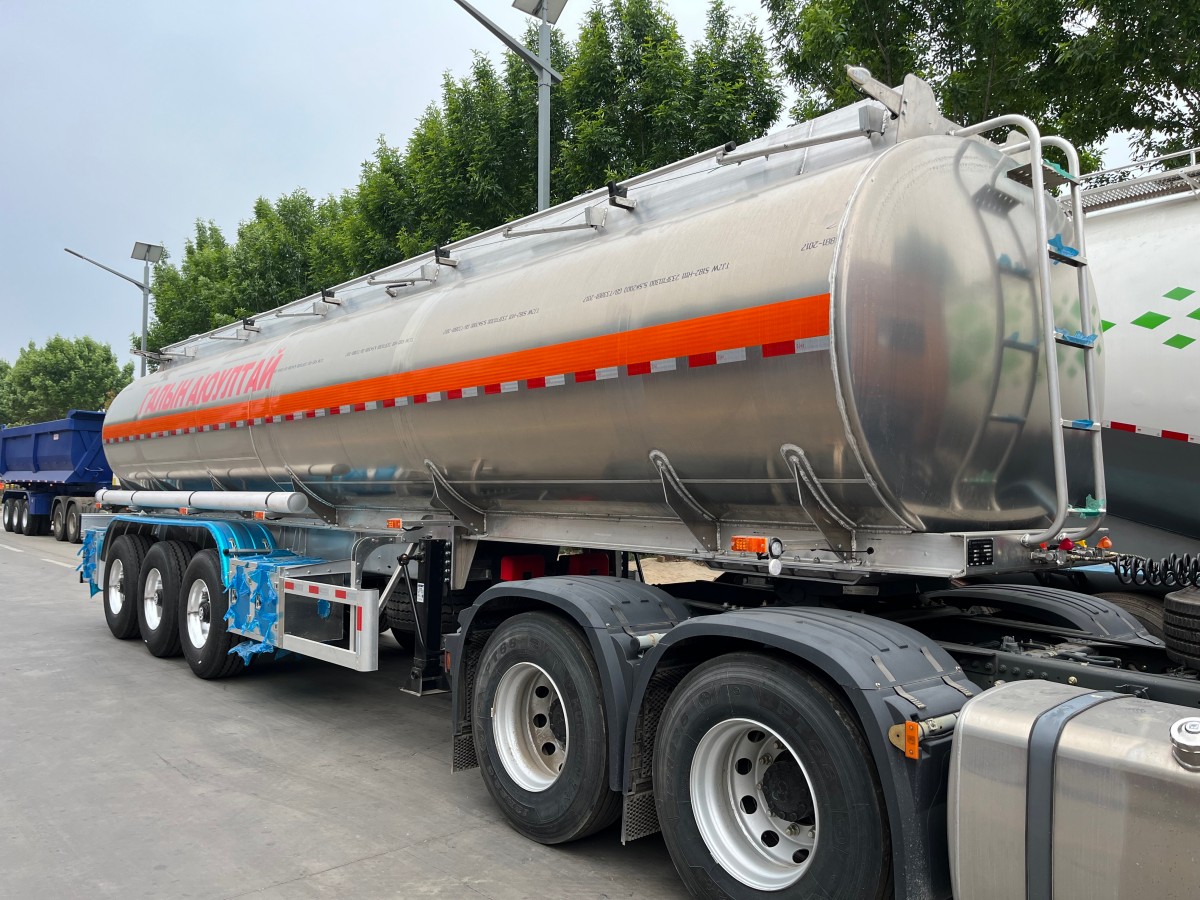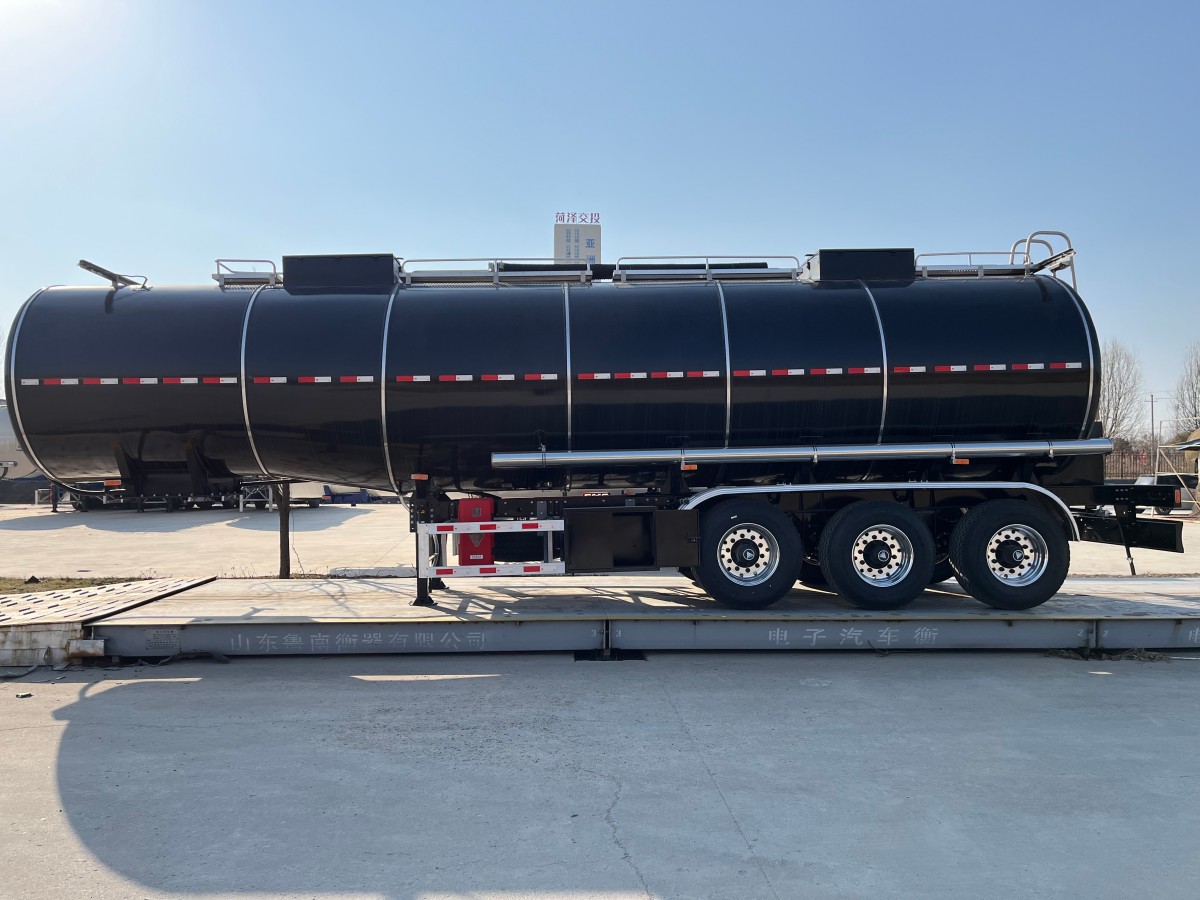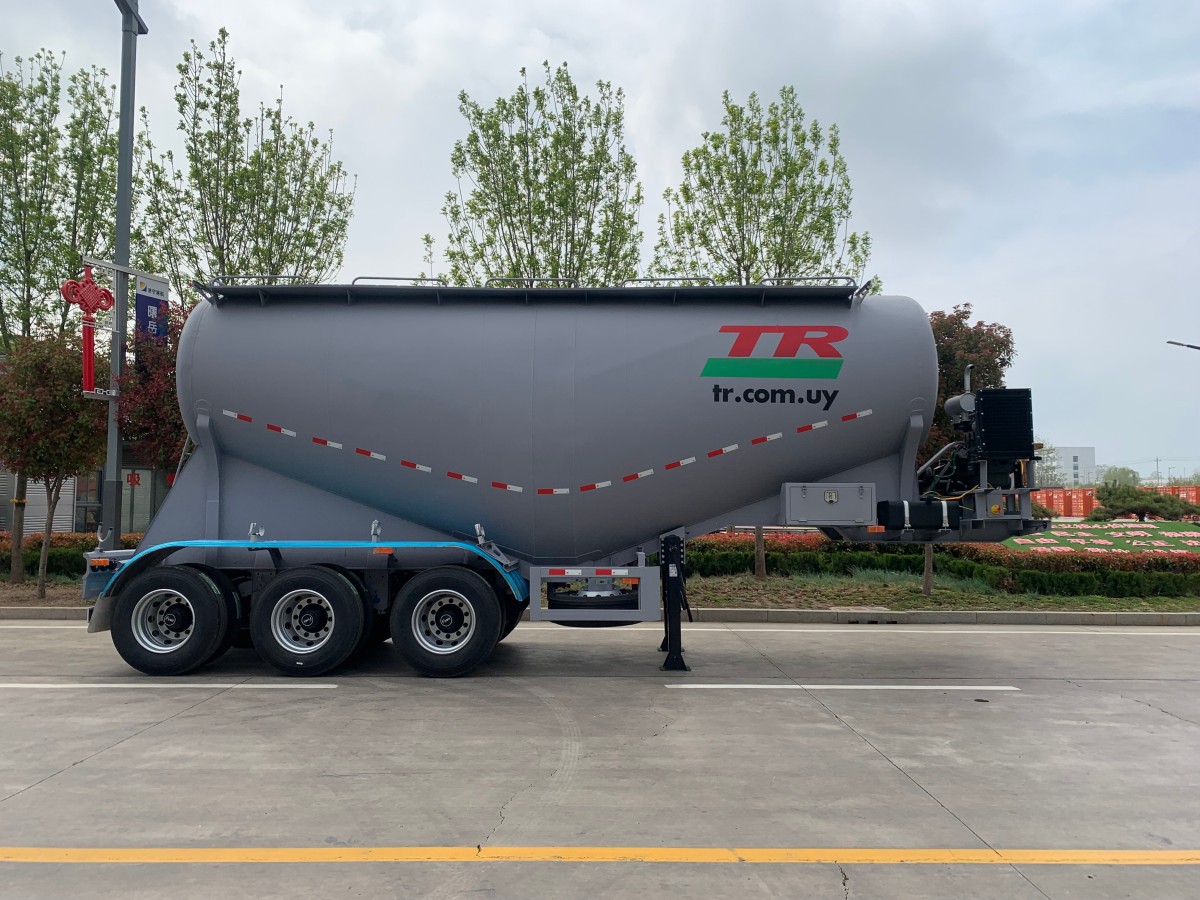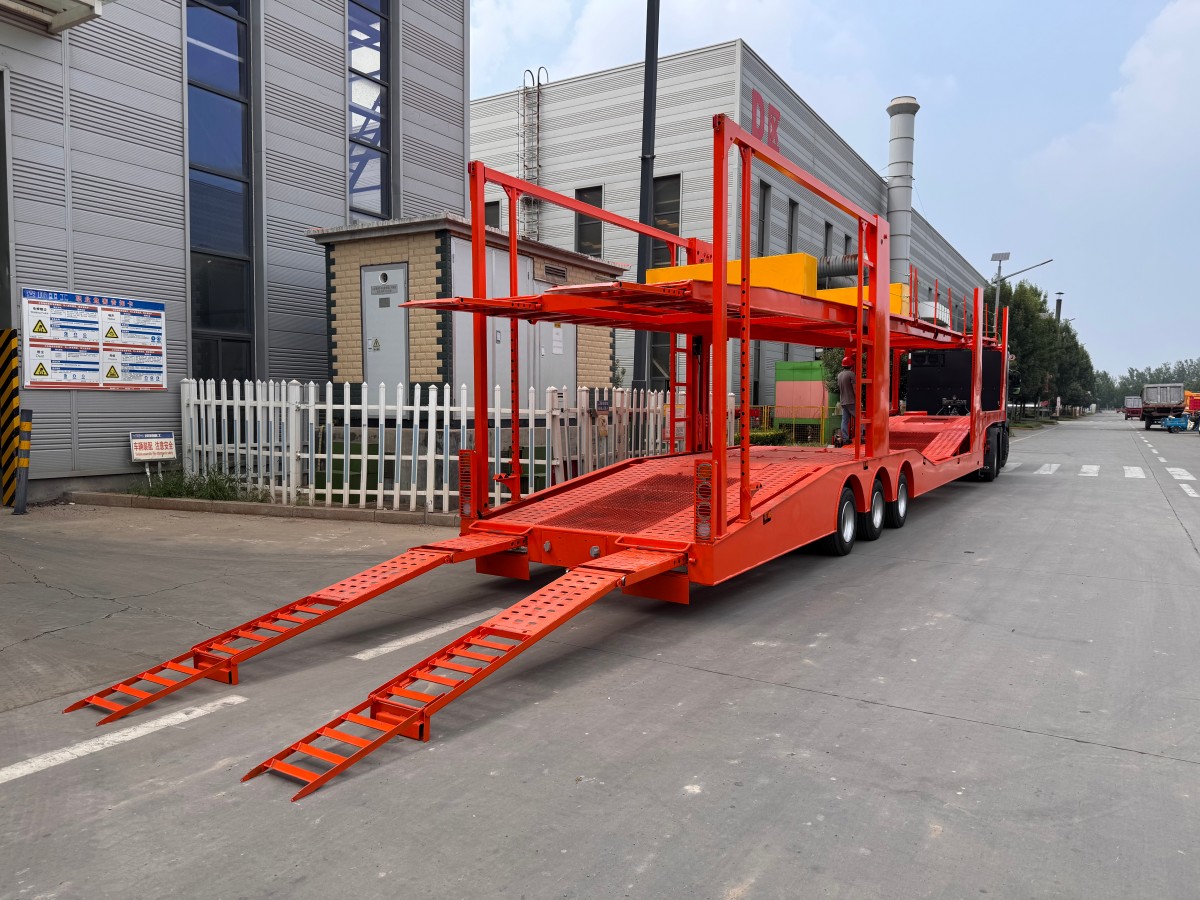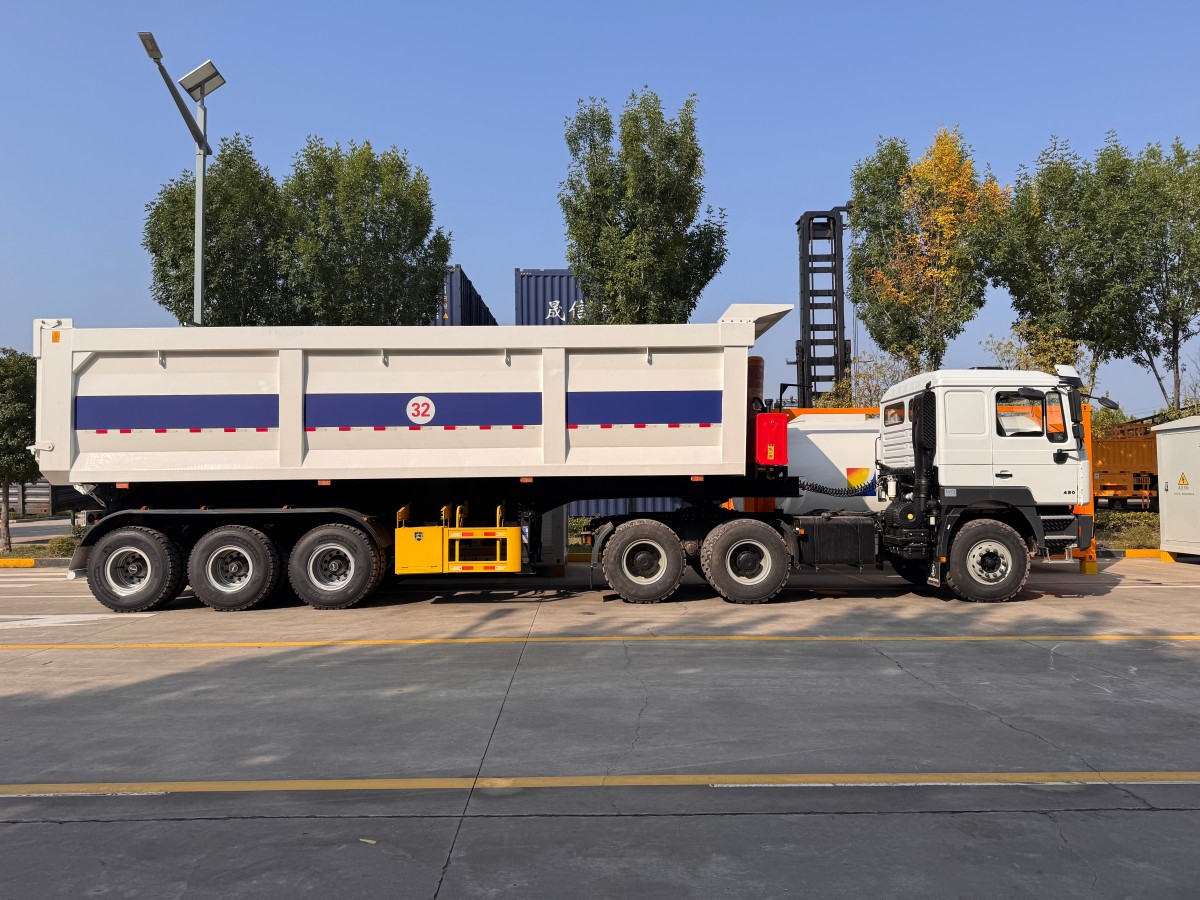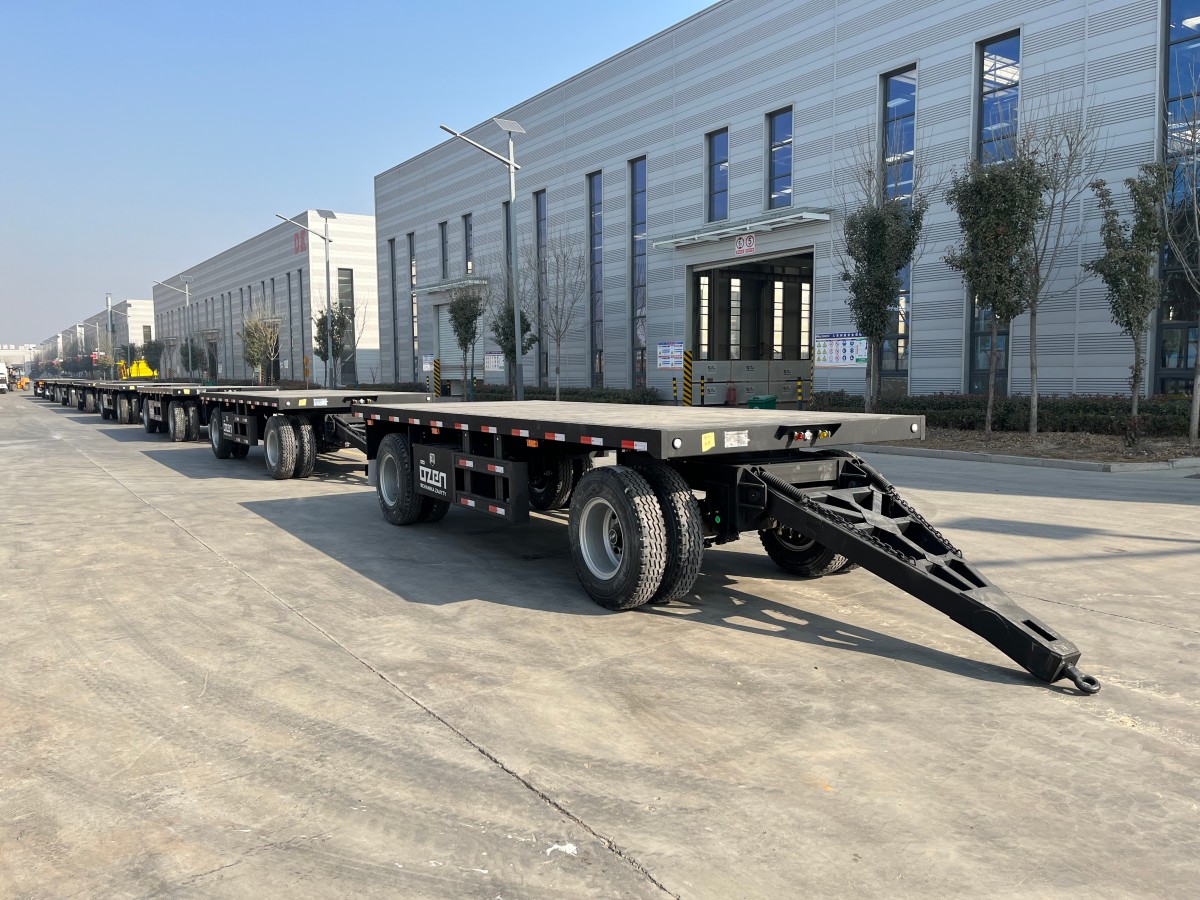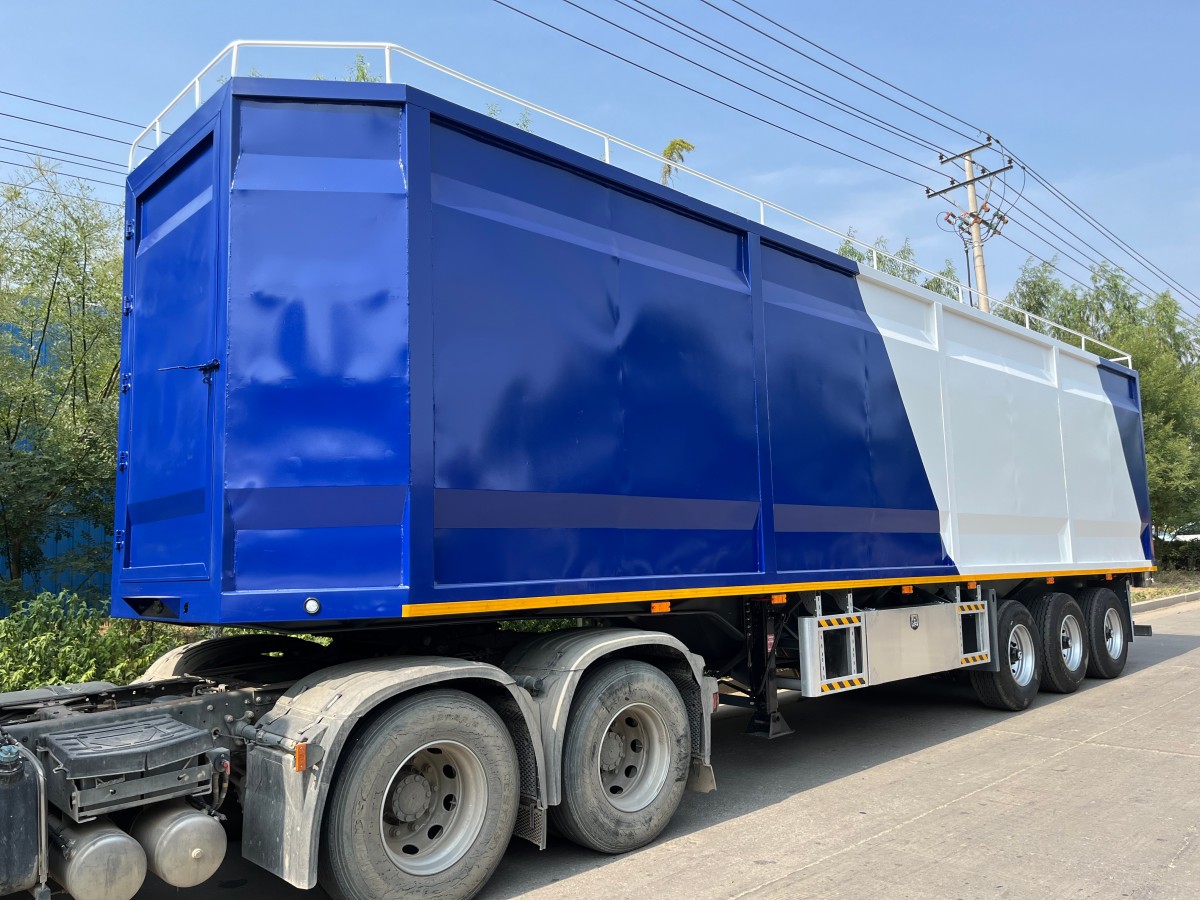

One of the first decisions you make when importing a semi trailer from China is the shipping terms – also called Incoterms. The three most common options offered by Chinese trailer manufacturers are FOB, CIF, and DAP. Each has very different implications for cost, risk, and paperwork.
Choose the wrong one and you can end up paying 10-25% more than necessary – or worse, get stuck at the destination port with unexpected customs charges and no clear path to resolution.
What are Incoterms?
Incoterms (International Commercial Terms) are standardized trade terms published by the International Chamber of Commerce (ICC). They define three things:
- Who pays for transportation at each stage
- Who bears the risk if goods are damaged or lost during transit
- Who handles customs clearance at origin and destination
The current version is Incoterms 2020. The terms apply regardless of mode of transport.
FOB – Free On Board (Most Common)
FOB [Port of Loading] means the seller delivers the trailer onto the vessel at the named Chinese port (e.g., FOB Qingdao, FOB Lianyungang, FOB Tianjin). At that moment, risk and cost transfer to the buyer.
Who pays what under FOB?
- Seller pays: Trailer cost, factory loading onto truck, transport to port, port handling fees, export customs clearance, loading onto vessel
- Buyer pays: Ocean freight from Chinese port to destination port, marine insurance, destination port handling, import customs clearance, inland transport from destination port to final destination
When FOB is the right choice
- You have a trusted freight forwarder or shipping line at origin
- You want control over insurance provider and coverage
- You want full visibility into freight costs
- You’re importing multiple containers per year and can negotiate volume rates
FOB advantages
- Lowest headline cost
- Full cost transparency
- You choose your shipping line (Maersk, MSC, COSCO, etc.)
- You choose your insurance provider
FOB disadvantages
- You need a freight forwarder at origin (or work with the seller’s nominated forwarder)
- More complex coordination – you handle ocean booking, insurance, and arrival coordination
CIF – Cost, Insurance, and Freight
CIF [Port of Destination] means the seller pays for transportation and insurance to the named destination port. Risk still transfers to the buyer once the trailer is loaded onto the vessel at origin.
Who pays what under CIF?
- Seller pays: Everything under FOB, PLUS ocean freight and minimum marine insurance (110% of cargo value, ICC C clauses)
- Buyer pays: Destination port handling, import customs clearance, inland transport from destination port, any costs beyond minimum insurance
When CIF is the right choice
- You’re a first-time importer with no freight forwarder relationship
- You don’t have the time or staff to coordinate multi-leg logistics
- The seller has better ocean freight rates than you can get (rare, but possible for large volumes)
CIF advantages
- One price covers trailer + ocean freight + basic insurance
- Seller handles all shipping documentation
- Simpler coordination for first-time importers
CIF disadvantages
- Seller’s freight markup is typically 8-15% above market rate
- Insurance is usually minimum coverage (ICC C) – not All-Risk (ICC A)
- You cannot choose your shipping line – departure dates depend on seller’s bookings
- Insurance claims can be complex because the seller is the policyholder
DAP – Delivered At Place
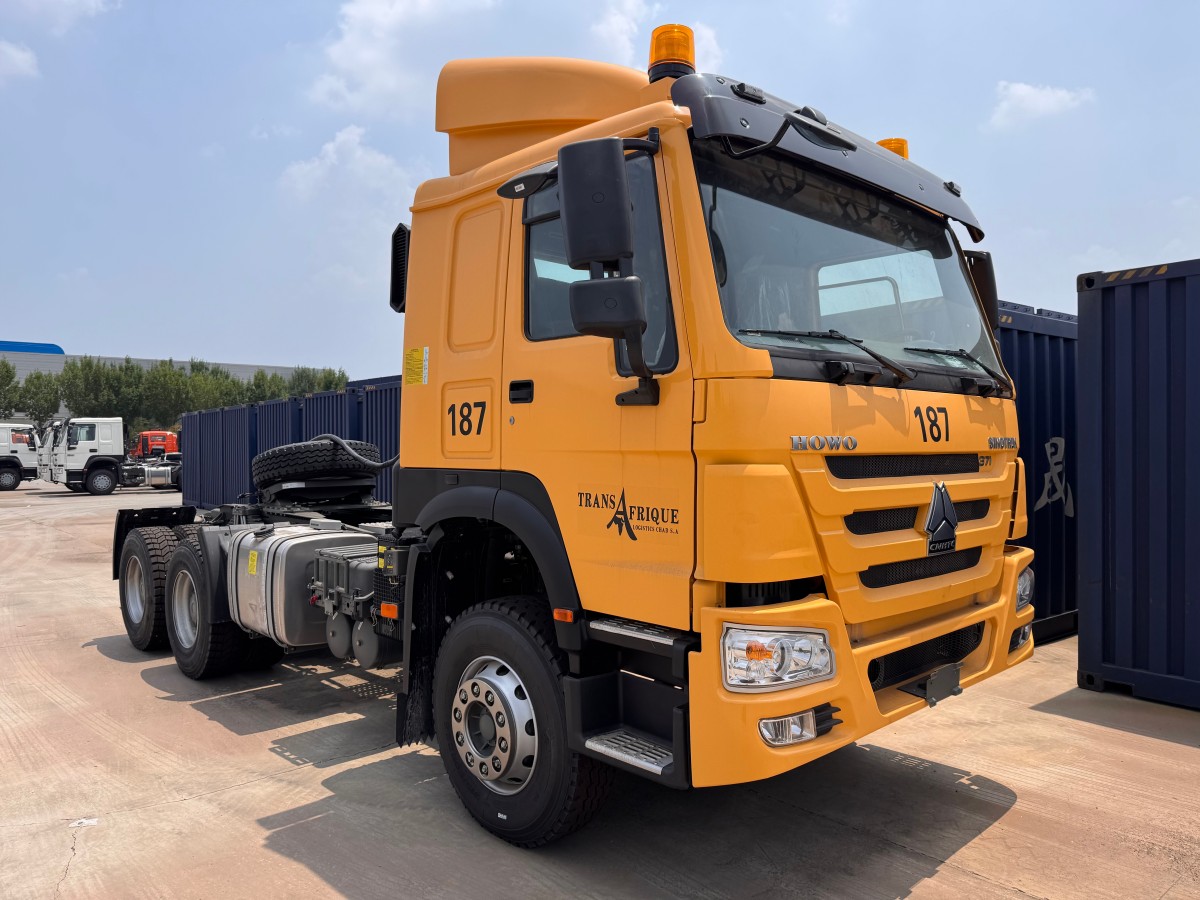
DAP [City / Address] means the seller delivers the trailer to your specified address (factory, warehouse, or dealership). Risk transfers when the trailer is ready for unloading at your location.
Who pays what under DAP?
- Seller pays: Everything under CIF, PLUS destination port handling and inland transport to your address
- Buyer pays: Import customs clearance and duties in your country, unloading at your address
When DAP is the right choice
- You want a true “door-to-door” experience without managing logistics
- Your country has reliable customs brokers who can clear the trailer
- You’re importing multiple trailers and want consistent delivery scheduling
DAP disadvantages
- Highest cost of the three options
- You still need a customs broker in your country
- Less common for trailer shipments – most Chinese trailer sellers offer FOB or CIF
Real Cost Comparison (2026 Indicative)
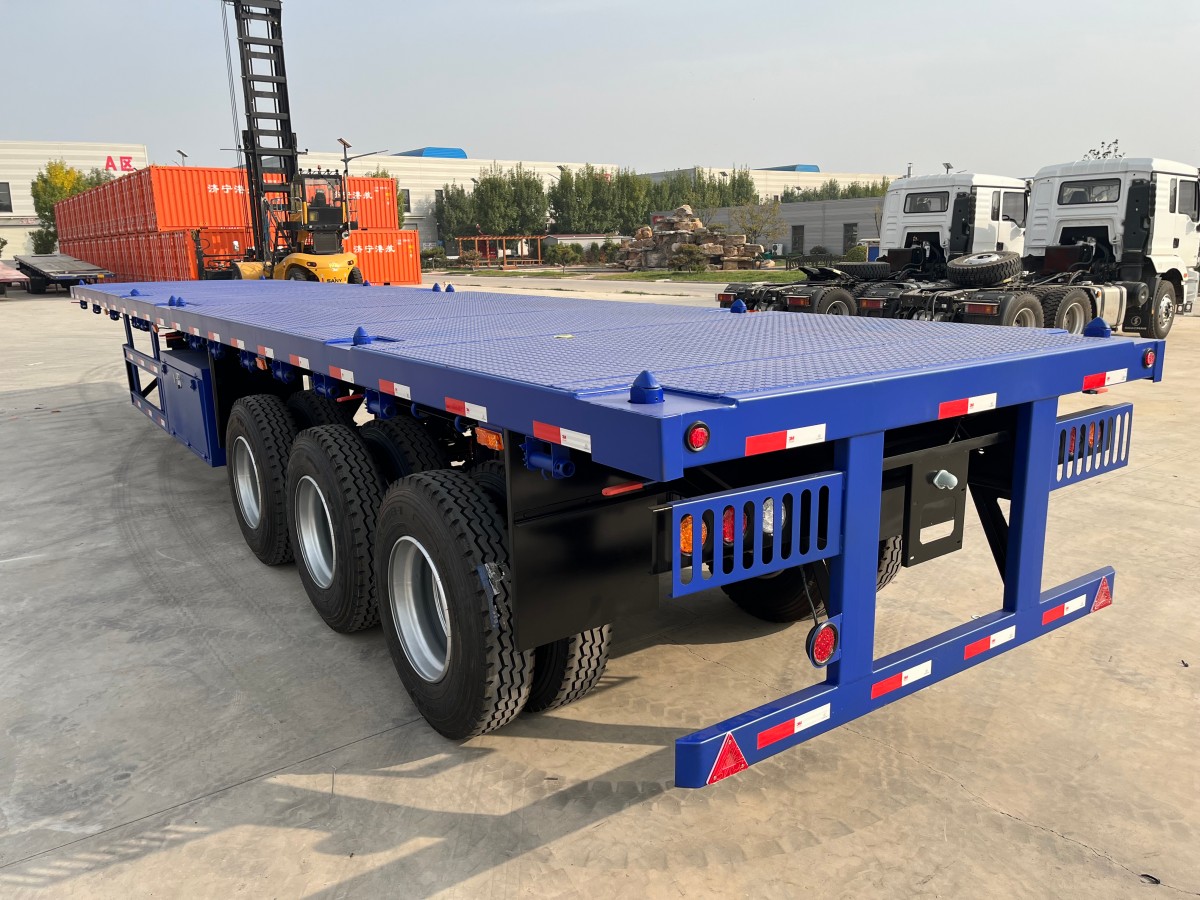
Example: 1x 3-axle flatbed semi trailer, 40ft, 13,000×2,500×1,500mm, FOB Qingdao to Apapa Port (Lagos, Nigeria)
| Cost Component | FOB | CIF Apapa | DAP Lagos Warehouse |
|---|---|---|---|
| Trailer unit (FOB) | $12,500 | $12,500 | $12,500 |
| Ocean freight (bulk-cargo or Ro-Ro) | Buyer arranges: $1,800-2,200 | Seller adds: $2,200-2,600 (with markup) | Seller arranges: $2,200-2,600 |
| Marine insurance (110% ICC A) | Buyer arranges: $80-120 | Seller adds: $90-130 (ICC C only) | Seller arranges: $90-130 |
| Destination port handling | $300-500 | $300-500 | Included |
| Inland transport Lagos | $400-600 | $400-600 | Included |
| Import duty + clearance (Nigeria) | $1,800-2,400 | $1,800-2,400 | $1,800-2,400 |
| Total landed cost | ~$17,100-18,320 | ~$17,290-18,530 | ~$16,590-17,830 |
Rates are indicative as of Q2 2026 and vary by destination, season, and vessel availability. Bulk-cargo shipping on a wood-framed flat rack is the most common method for trailers.
Which should you choose?
Choose FOB if:
- You have an established freight forwarder
- You import regularly (5+ containers per year)
- You want to optimize each leg of the journey
- You want full All-Risk insurance (ICC A)
Choose CIF if:
- This is your first trailer import
- You don’t have time to coordinate logistics
- The total order is small (1-3 trailers) and seller volume rates apply
Choose DAP if:
- You want a turnkey experience and have a reliable customs broker
- The seller’s logistics network serves your destination well
- You’re importing high-value cargo where end-to-end seller responsibility makes sense
Tips for Negotiating Shipping Terms
- Always request both FOB and CIF quotes. The difference reveals the seller’s freight markup.
- Ask which shipping line and vessel the seller uses. Reputable sellers book on MSC, Maersk, COSCO, or WanHai.
- Verify insurance coverage. ICC C (named perils only) is standard under CIF; ask for ICC A (all-risk) at modest additional cost.
- Confirm the destination port carefully. A typo can send your trailer to the wrong country or a port with limited handling capability.
- Ask for the bill of lading (B/L) type. Original B/L is required for some countries; telex release (sea waybill) is faster but less secure.
Documentation Checklist for Trailer Import
Regardless of shipping terms, ensure your seller provides:
- Commercial Invoice (with HS code and country of origin)
- Packing List (with weight, dimensions, package count)
- Bill of Lading (original or telex release)
- Certificate of Origin (issued by China Council for the Promotion of International Trade – CCPIT)
- Axle certification (BPW/FUWA certificate for warranty)
- Welding quality certificate (for main beam)
- Pre-shipment inspection report (SGS/BV or buyer’s nominated inspector)
Conclusion
For most first-time trailer importers, CIF is the easiest starting point. Once you’ve established a relationship with a Chinese manufacturer and your import volume grows, switching to FOB gives you better control and typically 8-15% savings on freight. DAP remains the best option when you want the seller to take end-to-end responsibility for delivery.
Need help comparing trailer options or getting a quotation? Contact our export team for a response within 12 hours.
See Related Products
Need a Quotation? Contact Our Export Team
Browse our full catalog, search for specific models, or send us your requirements. Our sales engineers respond within 12 hours.
Phone: +86 15376192345 | Email: info@shuyue-trailer.com