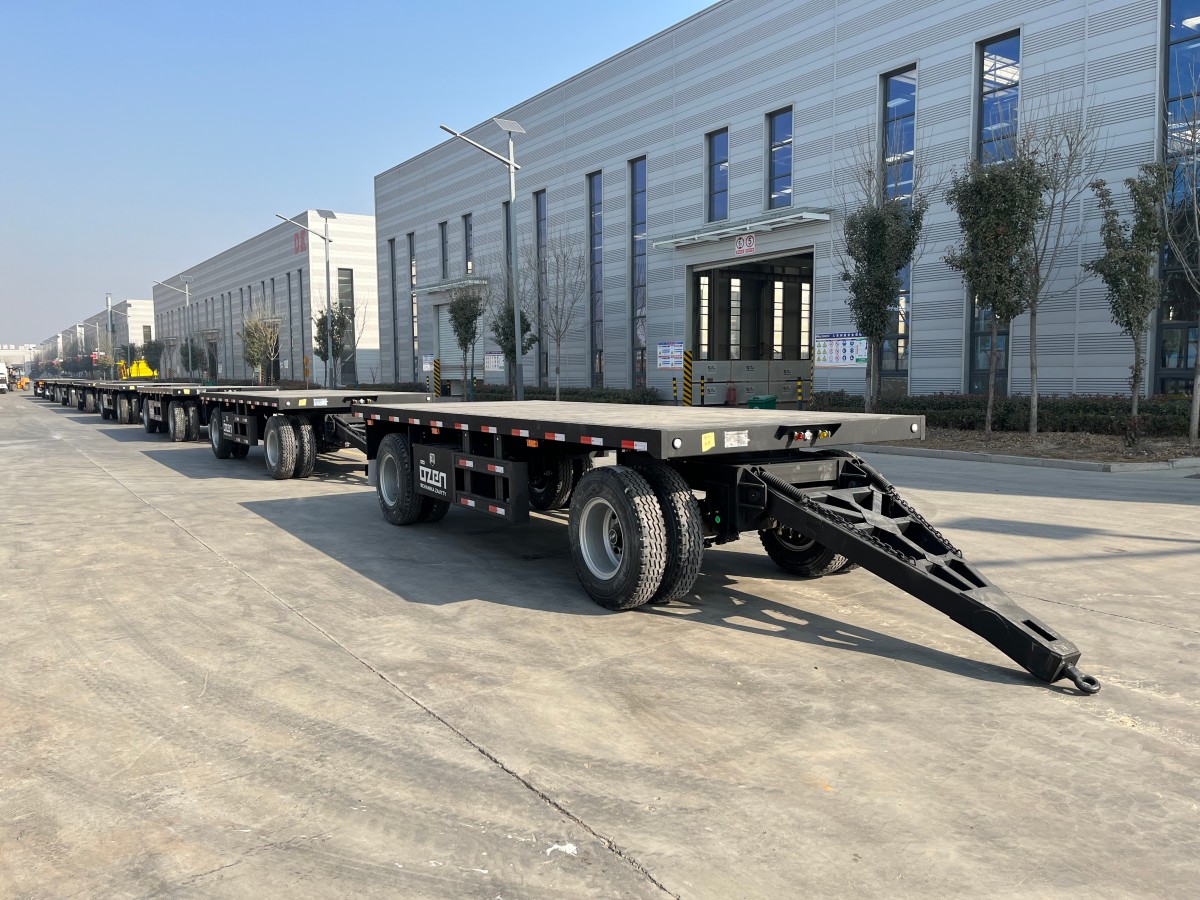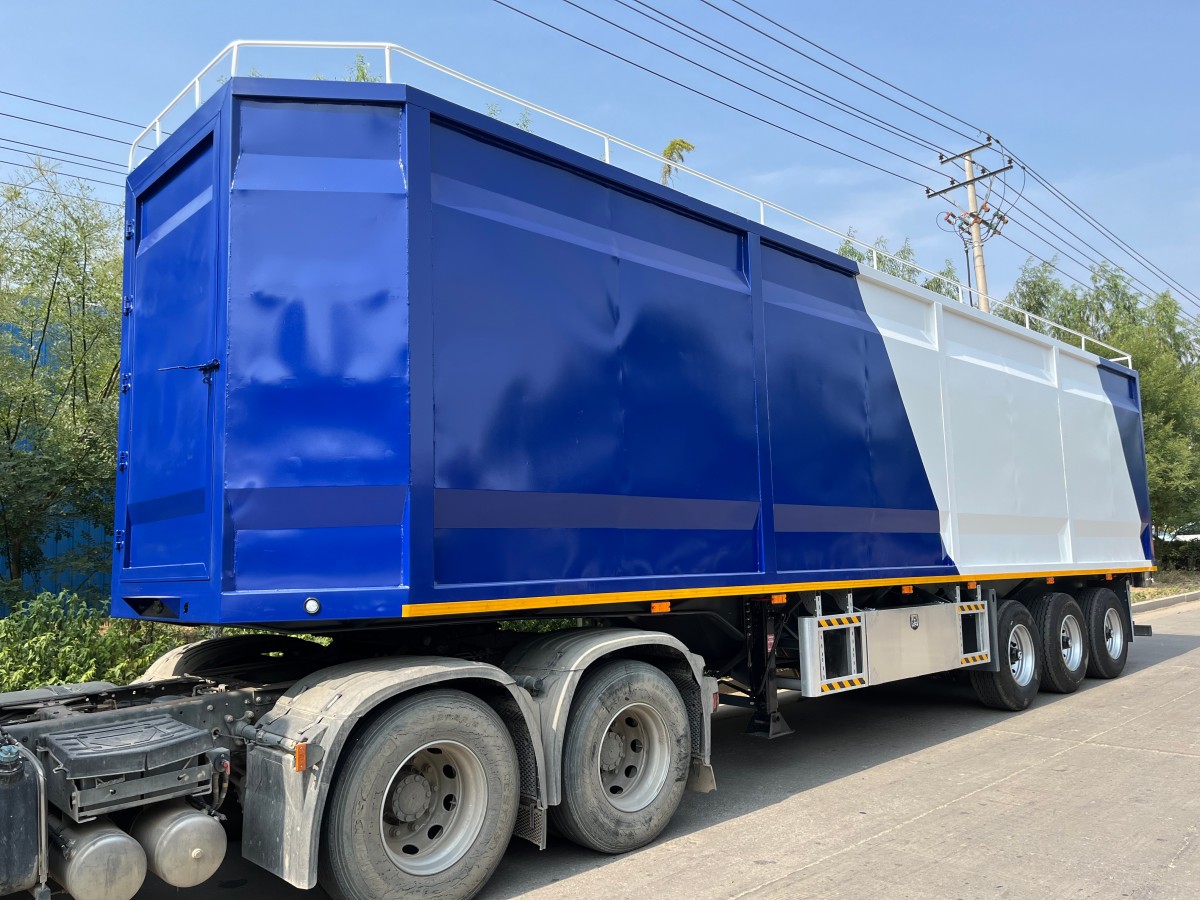

Choosing the right axle configuration is one of the most consequential decisions when purchasing a semi trailer. The axle count determines your maximum payload, road-legal compliance, tire and maintenance costs, and initial purchase price. Selecting the wrong configuration can leave you either overloaded (fines, accidents, accelerated wear) or underutilized (you paid for capacity you never use).
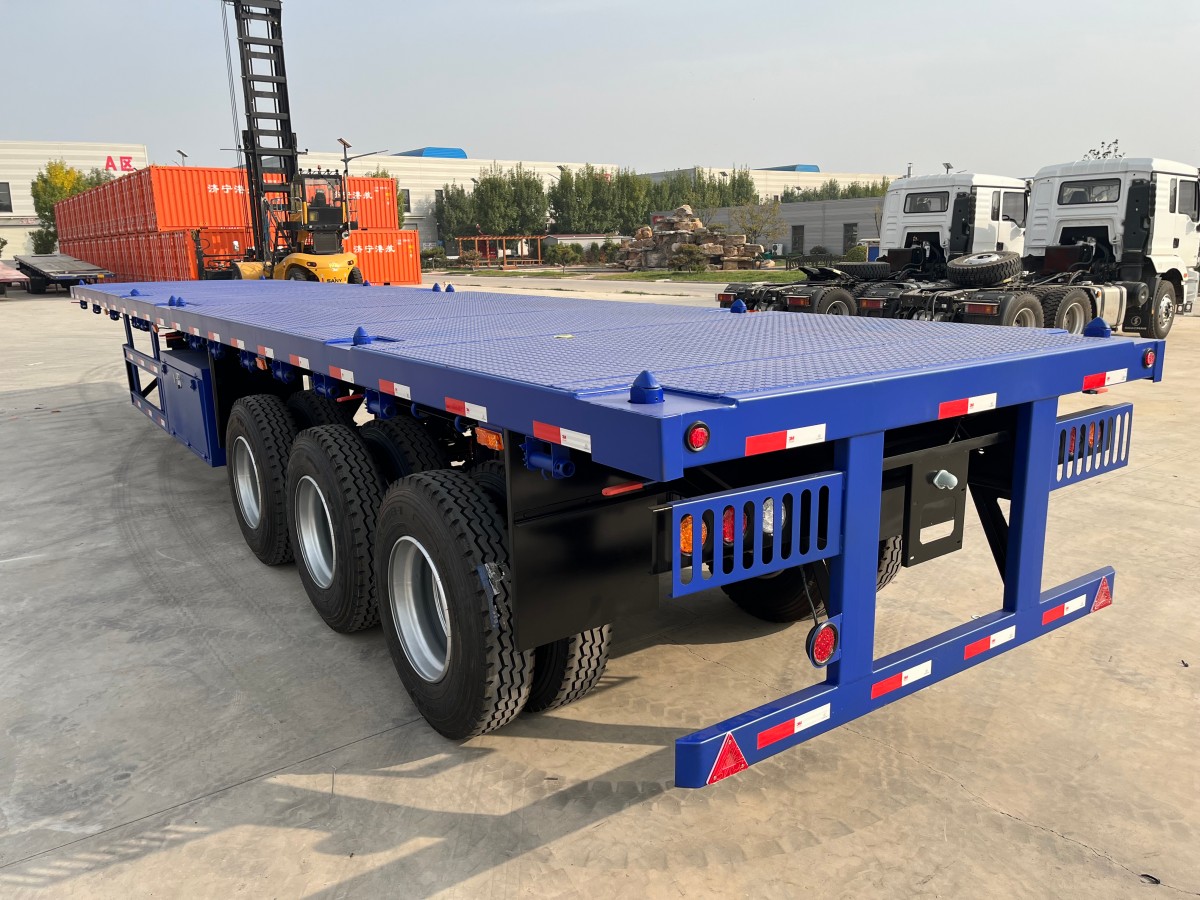
Why Axle Count Matters
The trailer’s axles carry the entire load transferred from the king pin through the main beam. Each axle has a rated capacity (typically 13T, 16T, or 20T for heavy-duty applications). The total payload is the sum of axle capacities minus the trailer’s tare weight.
More axles also distribute the load over a larger tire contact patch, which:
- Reduces road wear (important in countries with road-use taxes)
- Improves braking performance (more brake chambers = shorter stopping distance)
- Provides redundancy if one tire fails
- Increases tire replacement cost over the trailer’s lifetime
The Three Standard Configurations
2-Axle Semi Trailer
Typical payload: 20-40 tons
Common applications: Light container transport (20ft), FMCG distribution, agricultural produce, livestock, palletized cargo
Typical FOB price: $6,500 – $11,000
The 2-axle configuration is most common in:
- Domestic China haulage (where road regulations limit 3-axle use in some provinces)
- Small-scale container yards feeding 20ft ISO containers
- Light FMCG and palletized distribution
- Markets where 40ft container transport is uncommon (parts of Africa, Southeast Asia)
Advantages:
- Lowest purchase price (typically 30-40% less than 3-axle equivalent)
- Lower tire and brake replacement cost (8 tires vs 12)
- Lighter tare weight (more payload available)
- Easier to maneuver in tight urban yards
Disadvantages:
- Limited to 40ft container only with reduced payload
- Often below the regulatory payload threshold in major export markets
- Less redundancy if a tire fails
3-Axle Semi Trailer (Industry Standard)
Typical payload: 40-60 tons
Common applications: 40ft ISO container transport, general cargo, palletized freight, light machinery
Typical FOB price: $11,000 – $16,000
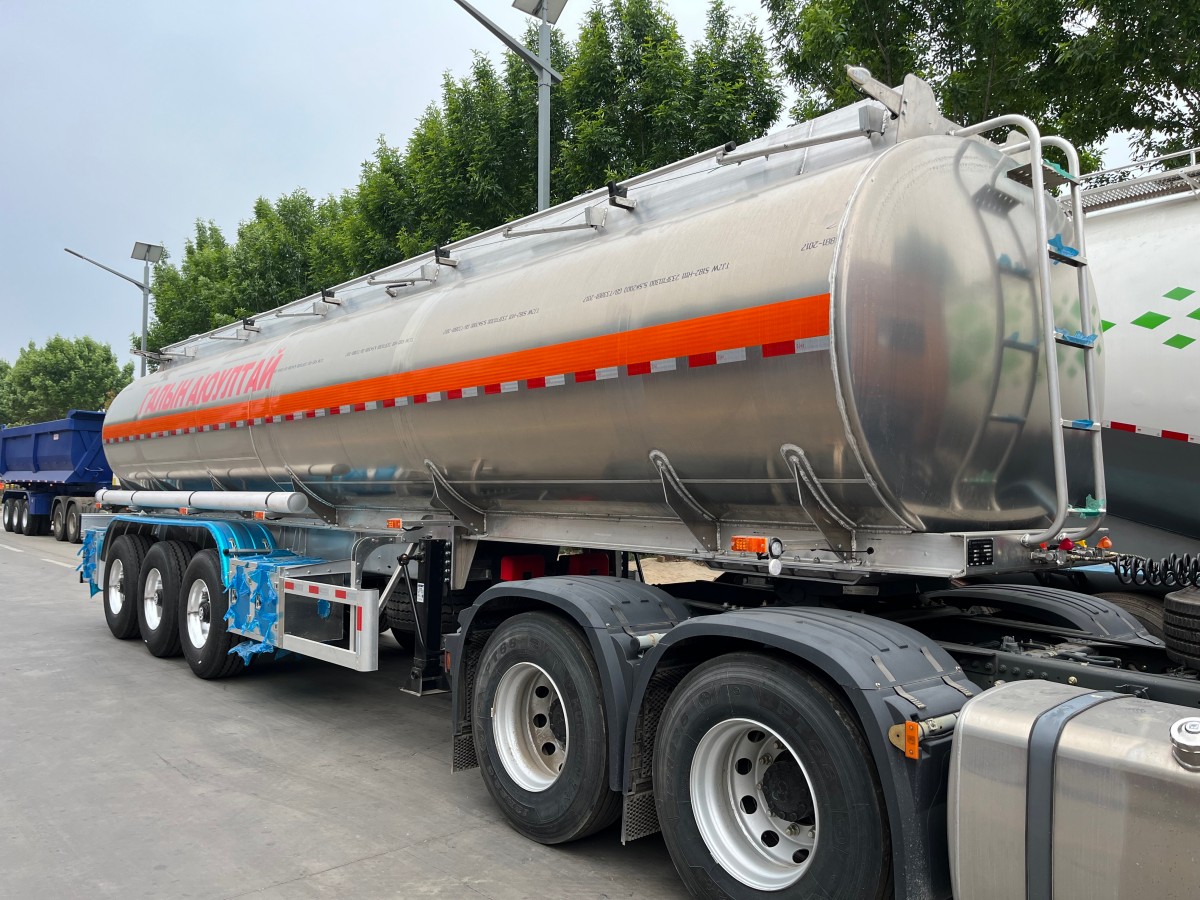
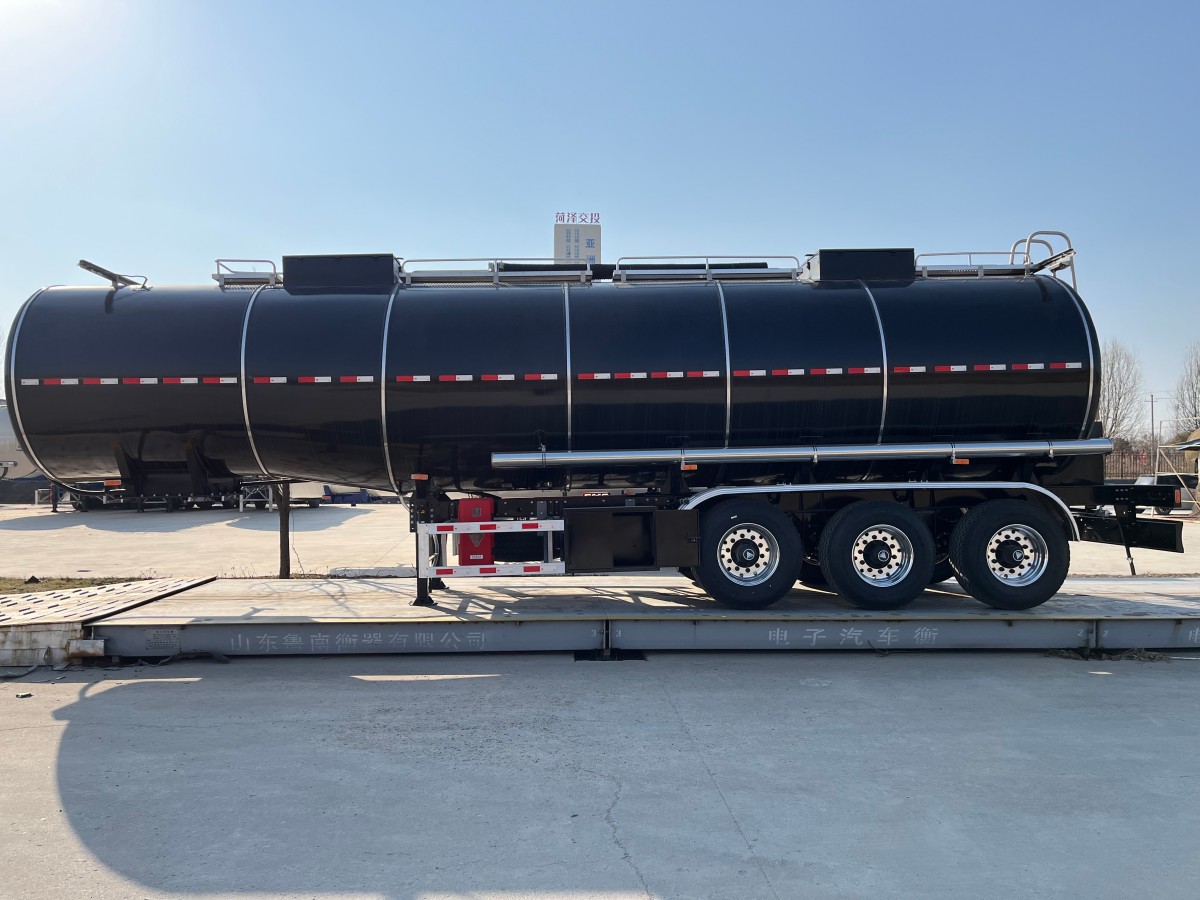
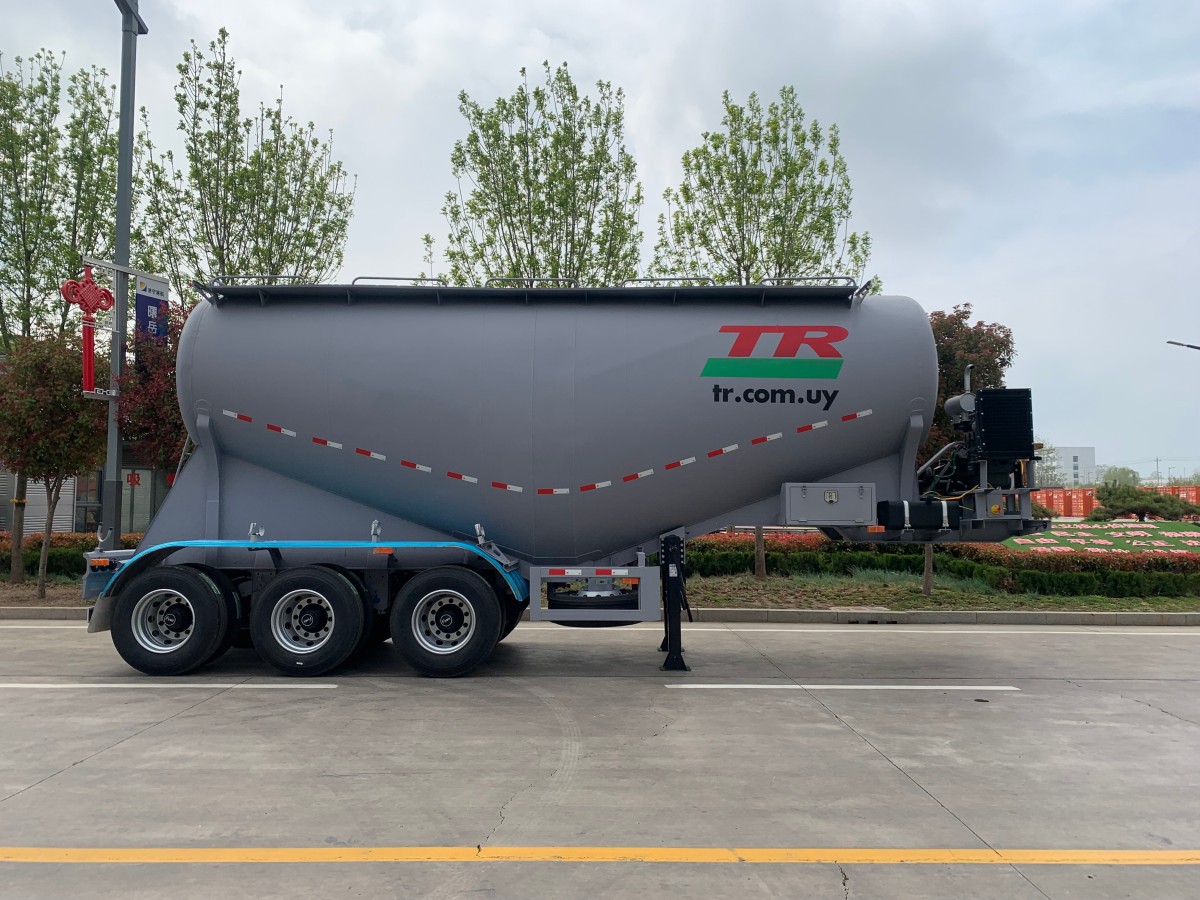
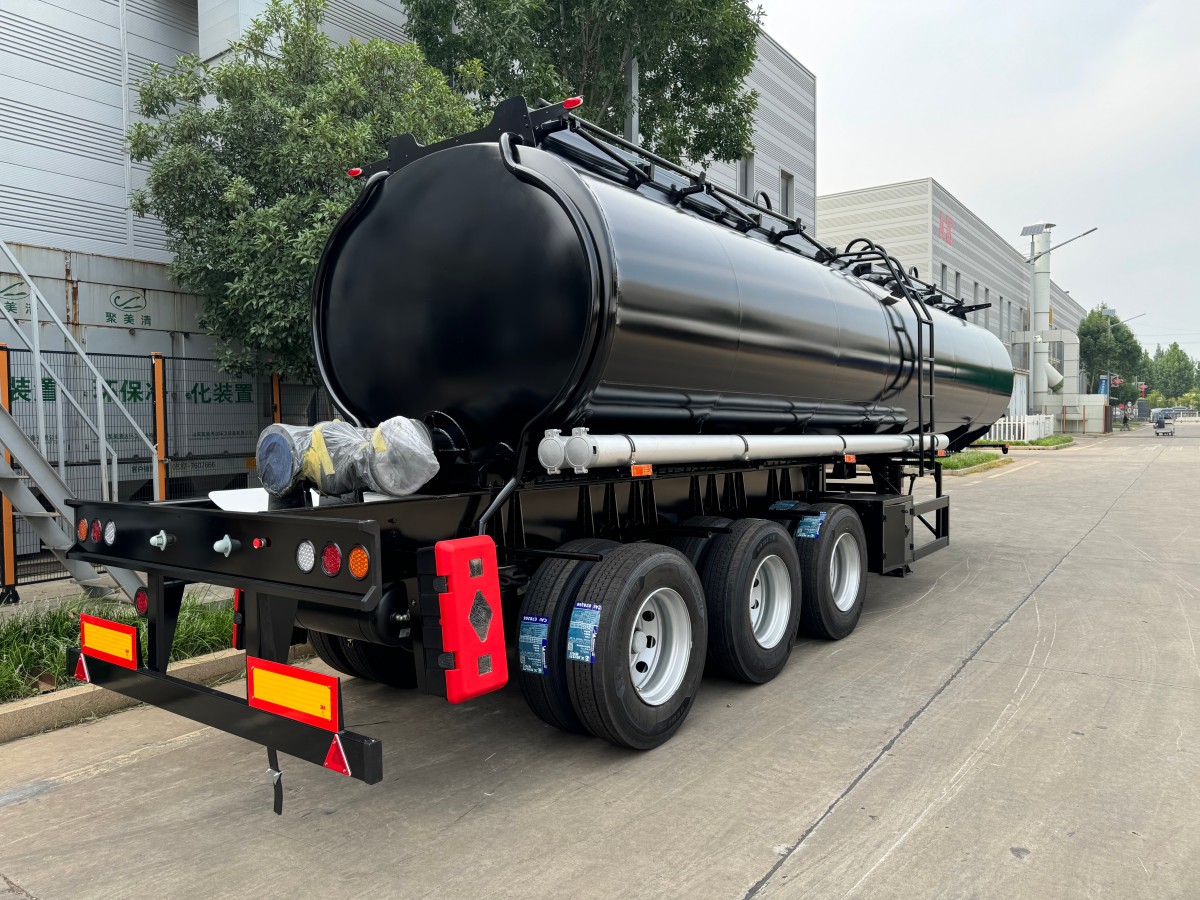
The 3-axle configuration is the workhorse of the global container logistics industry. Approximately 70% of all semi trailers sold internationally are 3-axle. It accepts one 40ft ISO container, two 20ft ISO containers (with optional middle locks), or 60 tons of general cargo.
Advantages:
- Optimal balance of payload, price, and road compliance
- Universal compatibility – accepted by virtually every logistics operator worldwide
- Reasonable tire cost (12 tires, ~$2,400 full set replacement)
- Widest parts availability (BPW, FUWA axles standard)
Disadvantages:
- Cannot exceed ~60 ton payload without overloading axles
- Higher tire cost than 2-axle
4-Axle Semi Trailer (Heavy Haulage)
Typical payload: 60-80 tons
Common applications: Heavy container transport (45ft HC + bulky cargo), mining equipment, oversized machinery, military transport
Typical FOB price: $15,500 – $22,000
The 4-axle configuration is for high-payload operations where road regulations allow. Many countries have specific maximum axle load and gross vehicle weight (GVW) limits that 4-axle configurations can take advantage of without exceeding per-axle limits.
Advantages:
- Highest payload in a single trailer configuration
- Distributes load better – less road wear per ton of cargo
- Can carry 45ft HC container with full payload
Disadvantages:
- Highest purchase price (40-60% above 3-axle equivalent)
- 16 tires to maintain and replace
- Longer wheelbase – less maneuverable in tight spaces
- Some countries restrict 4-axle on standard highways
Country-Specific Road Regulations
Axle configuration is heavily influenced by local road regulations. Here’s a quick reference for major trailer import markets:
| Country | Max GVW | Max Single Axle Load | Recommended Axle Config |
|---|---|---|---|
| Nigeria | 55 tons (standard highway) | 10 tons | 3-axle standard |
| Kenya / Tanzania | 56 tons | 10 tons | 3-axle standard |
| South Africa | 56 tons | 9 tons (single), 18 tons (tandem) | 3-axle tandem + lift axle |
| Ghana | 52 tons | 10 tons | 3-axle |
| Guyana | 50 tons | 10 tons | 3-axle |
| Brazil | 57 tons (combination) | 10 tons | 3-axle standard |
| Chile / Peru | 45-48 tons | 10 tons | 3-axle standard |
| Vietnam / Cambodia | 40 tons (regulated) | 10 tons | 2-axle or 3-axle |
| Kazakhstan / Uzbekistan | 40 tons (5-axle truck + trailer) | 10 tons | 3-axle |
Tire Cost Over Trailer Lifetime
Tire replacement is the largest ongoing maintenance cost. Over a 5-year operating life (assuming 120,000 km/year for long-haul operations):
| Configuration | Tire Count | 5-Year Tire Cost (Standard Brand) |
|---|---|---|
| 2-axle | 8 + 1 spare | ~$3,200 |
| 3-axle | 12 + 1 spare | ~$4,800 |
| 4-axle | 16 + 1 spare | ~$6,400 |
Lift Axle – A Smart Middle Ground
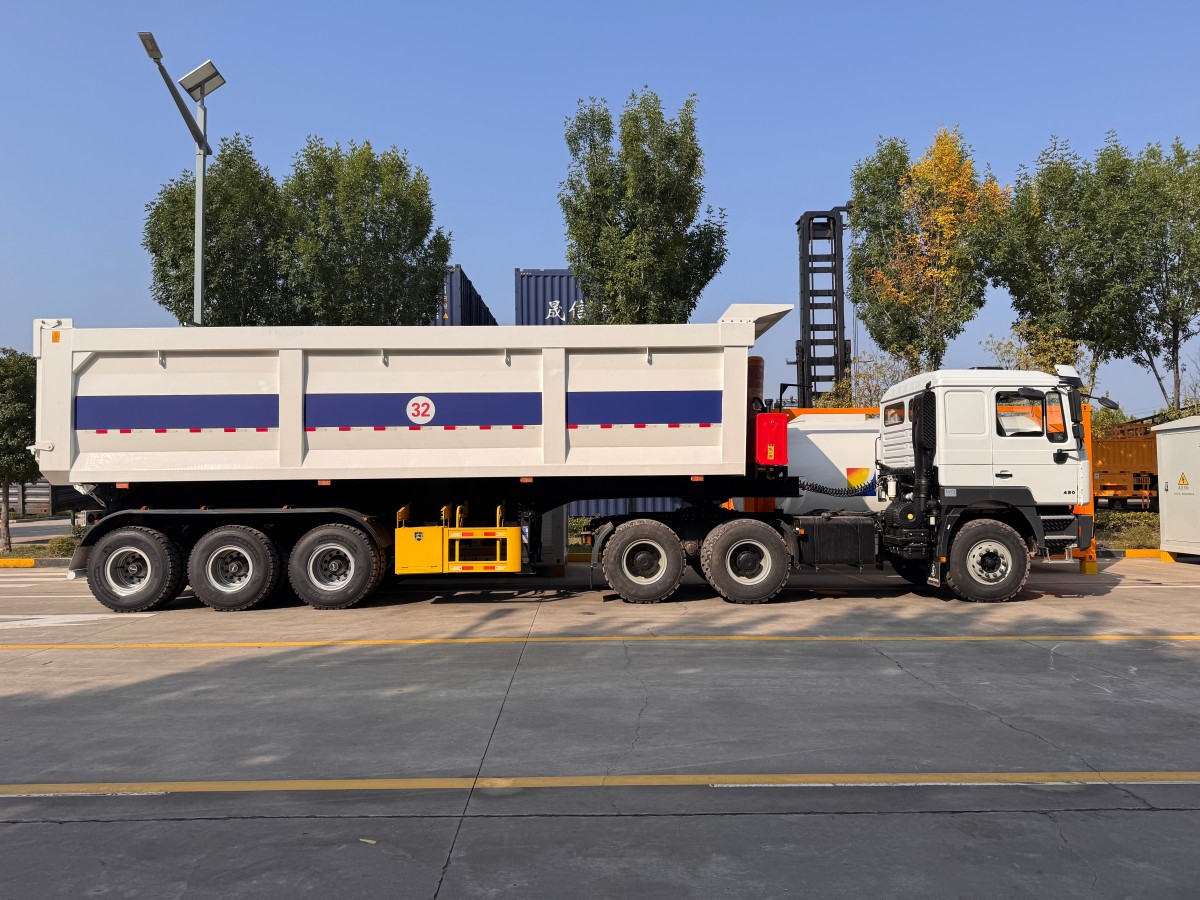
For operators who frequently run both light and heavy loads, a lift axle on a 3-axle trailer is worth considering. The lift axle can be raised when running empty (reducing tire wear) and lowered when loaded (adding payload capacity).
This configuration is increasingly common in South Africa and Australia, where it offers 3-axle efficiency for light loads and 4-axle capacity for heavy loads in one trailer.
Decision Framework
Use this checklist to determine your axle configuration:
- What is your average payload? Under 25 tons -> 2-axle. 25-55 tons -> 3-axle. Over 55 tons -> 4-axle.
- Do you transport 40ft containers? Yes -> minimum 3-axle (with center locks for 2x20ft).
- What is the road GVW limit in your operating region? Configure to stay below by 5-10% to allow for fuel, driver weight, and accessory variations.
- How many km/year does the trailer run? Over 100,000 km/year -> consider super-single tires to reduce replacement cost and heat buildup.
- Do you have axle load enforcement? In countries with weighbridges (Kenya, Nigeria, South Africa), overloading fines are heavy. Choose configuration that gives you legal headroom.
Conclusion
For most international container and general cargo operations, the 3-axle configuration is the right choice – it offers the best balance of payload capacity, regulatory compliance, operating cost, and resale value. Choose 2-axle only for specialized light-duty applications and 4-axle for heavy haulage or specific regulatory advantages.
Need help matching the right axle configuration to your specific operating conditions? Contact our export engineering team with your country, typical payload, and trailer type – we’ll recommend the optimal spec.
See Related Products
Need a Quotation? Contact Our Export Team
Browse our full catalog, search for specific models, or send us your requirements. Our sales engineers respond within 12 hours.
Phone: +86 15376192345 | Email: info@shuyue-trailer.com